+256 772 191 619 siirutourstravel@gmail.com Plot 160 UMF House Makerere Sir Apollo Kagwa Rd
Contact Us

Uganda Protected Areas & Wildlife Destinations

An authoritative guide to the Pearl of Africa — 10 National Parks, 12 Wildlife Reserves, the Big Five, and The Big Two flagship primate encounters.

Quick Jump: 10 National Parks 12 Wildlife Reserves The Big Five & Ziwa The Big Two Primates Protected Area Categories
Official Conservation Framework

Understanding Uganda's Protected Area Categories

Under Ugandan conservation law and the stewardship of the Uganda Wildlife Authority (UWA) and the National Forestry Authority (NFA), protected territories are strictly categorized by legal status and management objectives. They are not interchangeable.

10 National Parks

IUCN Category II · Highest Protection

Exclusively dedicated to wildlife conservation, non-consumptive eco-tourism, and scientific research. Extractive resource use is strictly prohibited by national law. Managed by UWA.

Examples: Murchison Falls, Queen Elizabeth, Bwindi, Kibale, Kidepo.

12 Wildlife Reserves

IUCN Category IV · Habitat & Species Management

Protected areas where wildlife conservation is paramount, but regulated sustainable resource-use agreements with bordering communities (e.g. thatch grass, water access) and walking ecotourism are permitted. Managed by UWA.

Examples: Pian Upe, Toro-Semliki, Katonga, Kabwoya, Matheniko.

Central Forest Reserves

National Forestry Authority (NFA)

State-protected woodlands primarily managed for watershed protection, biodiversity conservation, sustainable timber management, and canopy eco-tourism (chimpanzee tracking).

Examples: Budongo Forest, Mabira Forest, Kalinzu Forest, Bugoma Forest.

Sanctuaries & CWMAs

Species Recovery & Community Co-Management

Specialized conservation areas established to protect or re-establish specific endangered species, or communal lands where local communities partner with UWA to manage wildlife corridors.

Examples: Ziwa Rhino Sanctuary, Ngamba Island Chimpanzee Sanctuary.
Comprehensive Species Analysis

The Big Five in Uganda

Crucial Safari Note: Wildlife sightings in natural ecosystems are never guaranteed. No single national park in Uganda contains all five species in the wild. While lions, leopards, elephants, and buffalos roam open savanna parks, rhinos are safeguarded exclusively at Ziwa Rhino Sanctuary. A true Big Five safari combines savanna national parks with an on-foot tracking excursion at Ziwa.
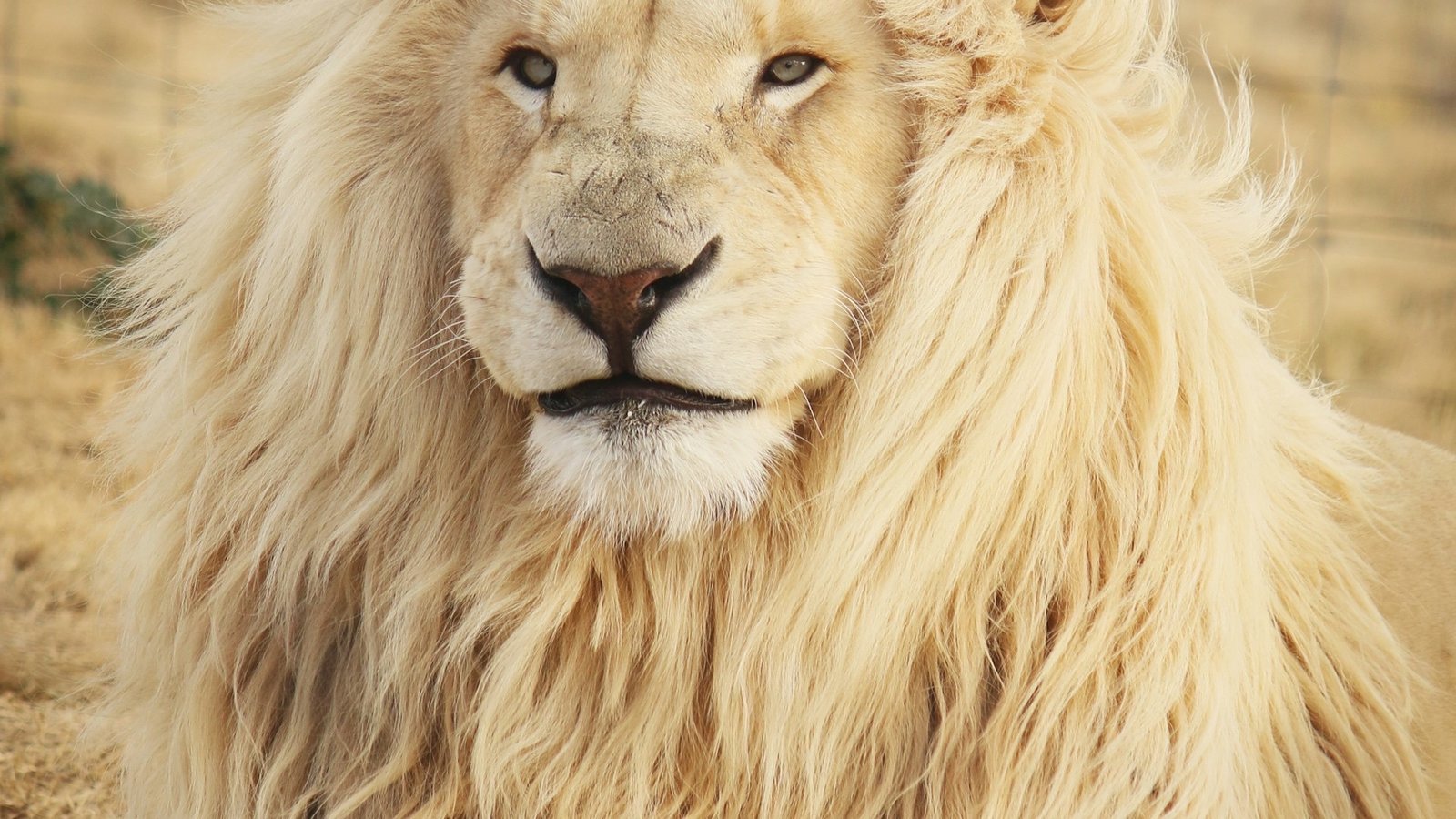
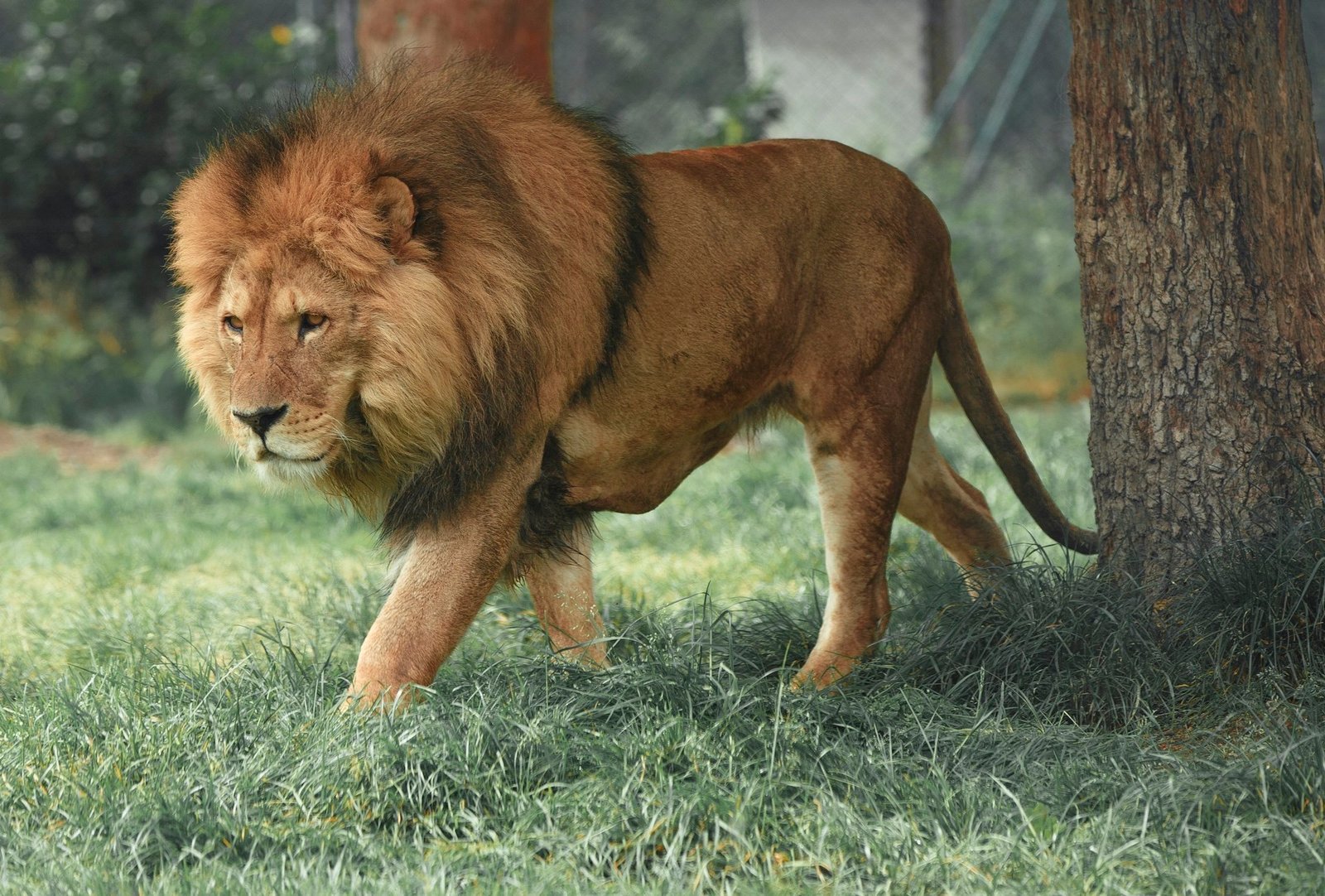
African Lion in Uganda

Lion (Panthera leo)

Apex savanna predator. Famous for tree-climbing behaviors in the Ishasha sector of Queen Elizabeth NP and high-density prides on Kidepo's granite kopjes.

Queen Elizabeth, Murchison Falls, Kidepo Valley
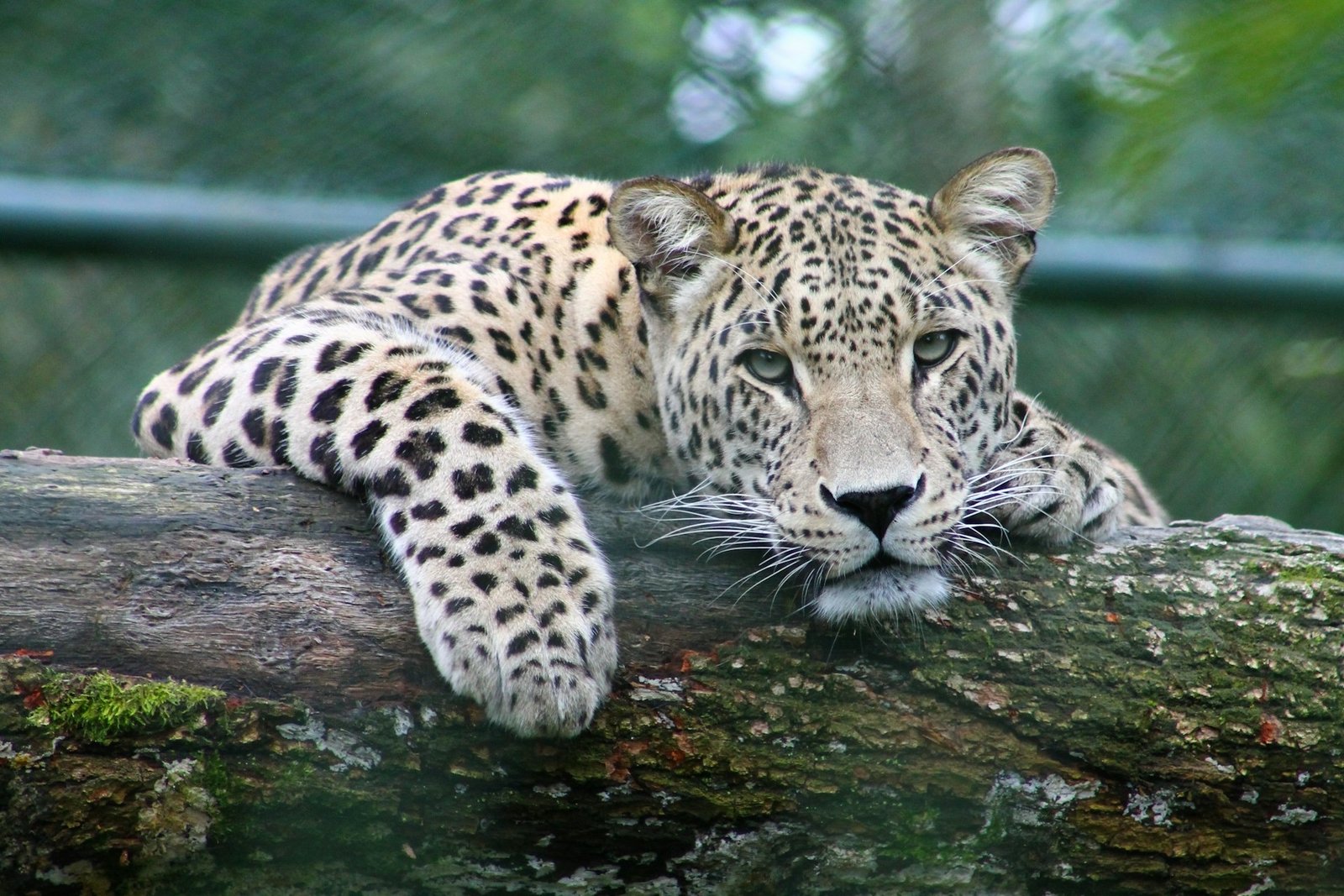
African Leopard in Uganda

Leopard (Panthera pardus)

Solitary, highly adaptable ambush hunter. Masters of stealth resting in fig branches; best tracked during spotlight-assisted night drives in Lake Mburo.

Lake Mburo, Queen Elizabeth, Murchison, Kidepo
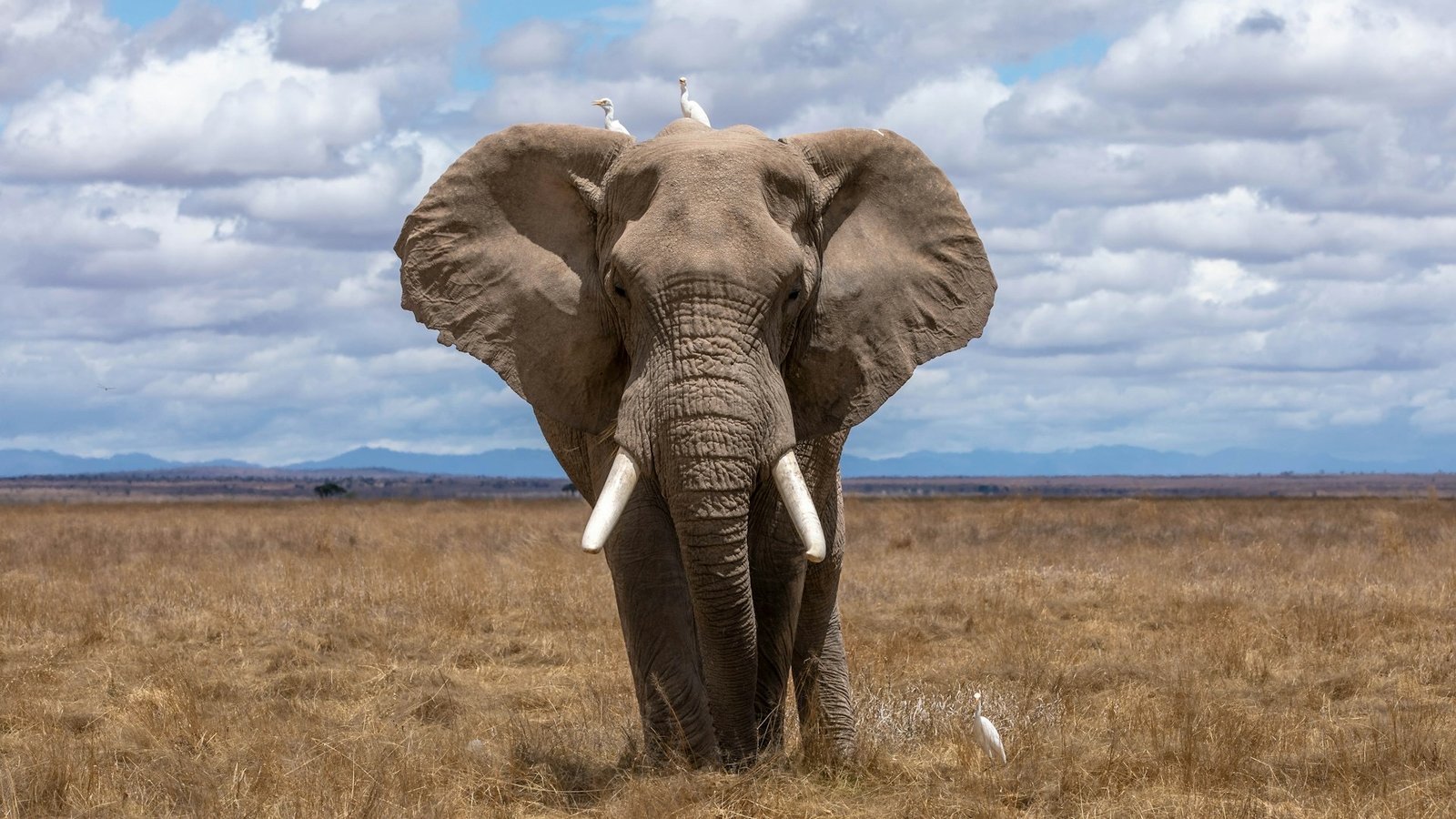
African Elephant in Uganda

Elephant (Loxodonta africana)

Ecosystem engineers roaming in matriarchal family units. Both savanna elephants and smaller rainforest elephants (in Kibale and Bwindi) thrive in Uganda.

Queen Elizabeth, Murchison Falls, Kidepo, Kibale
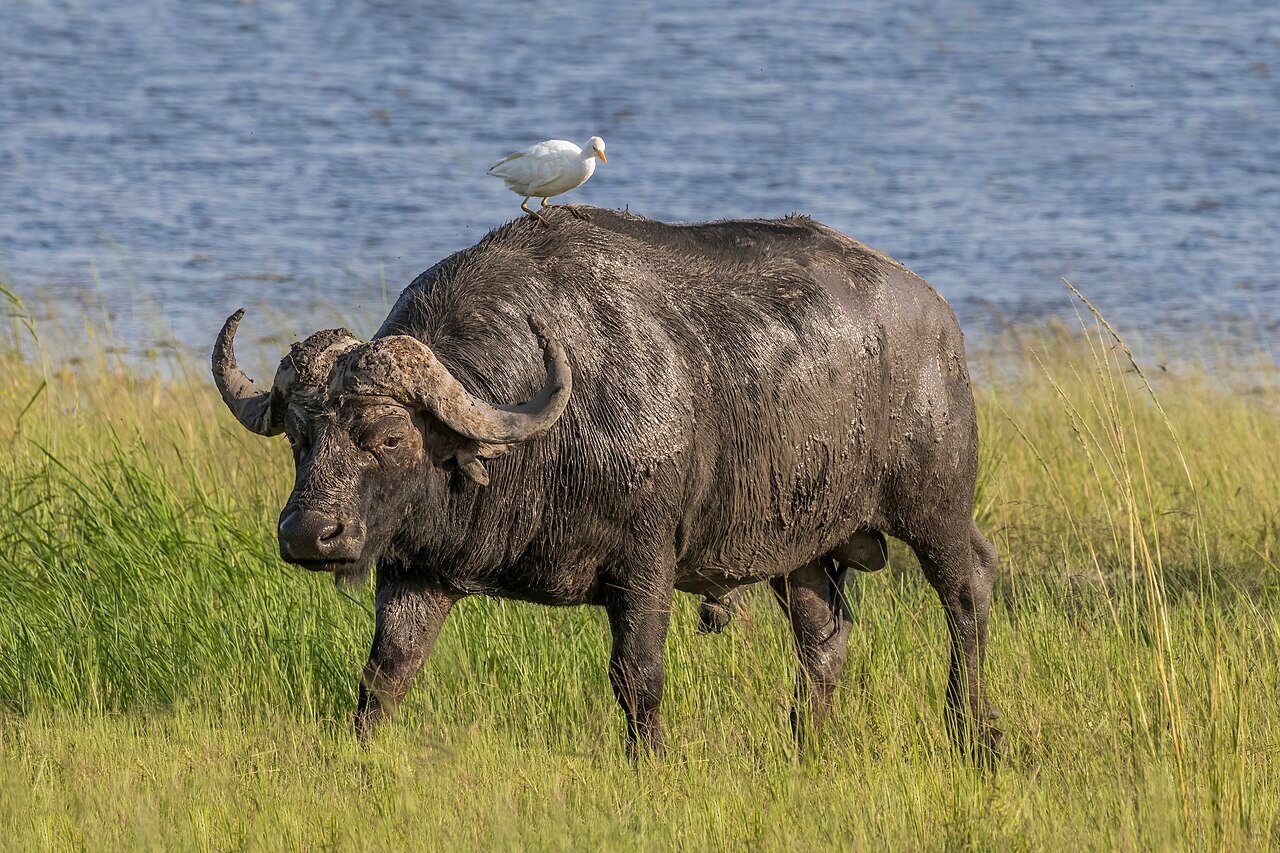
Cape Buffalo in Uganda

Cape Buffalo (Syncerus caffer)

Formidable herbivores with heavy fused horn bosses. Massive herds gather at the Kazinga Channel and Narus Valley waterholes.

Queen Elizabeth, Murchison Falls, Kidepo, Lake Mburo
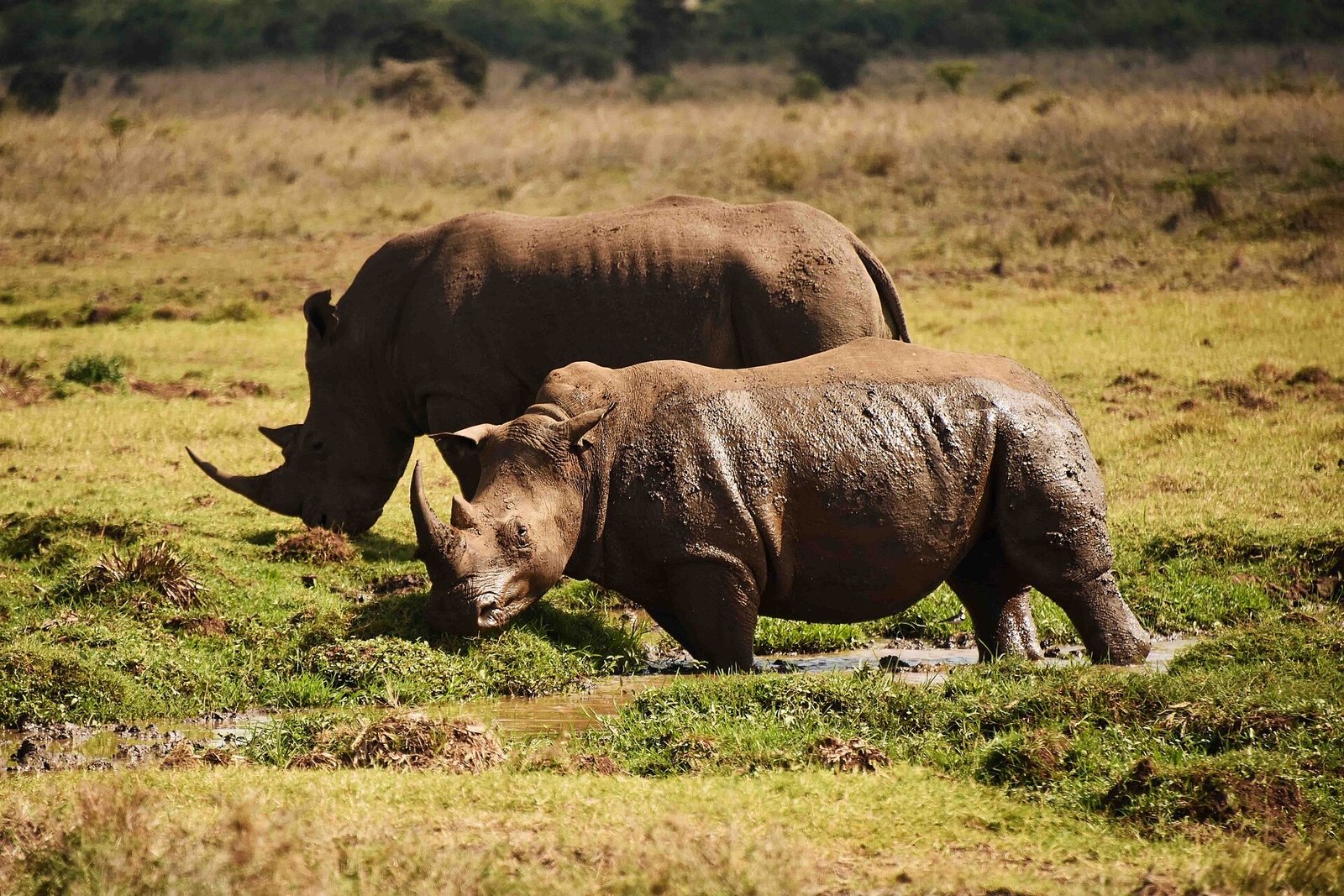
White Rhino at Ziwa Sanctuary Ziwa Sanctuary Only

White Rhino (Ceratotherium simum)

Extirpated by 1983; restored at Ziwa with 40+ rhinos guarded round-the-clock. Track on foot safely with armed wildlife rangers.

Ziwa Rhino Sanctuary (Nakasongola)
Tourism Marketing Designation

The Big Two: Mountain Gorillas & Chimpanzees

"The Big Two" is an industry marketing label for Uganda's two flagship hominid experiences, not a biological classification. Both species are safeguarded under strict conservation protocols enforced by the Uganda Wildlife Authority (UWA).

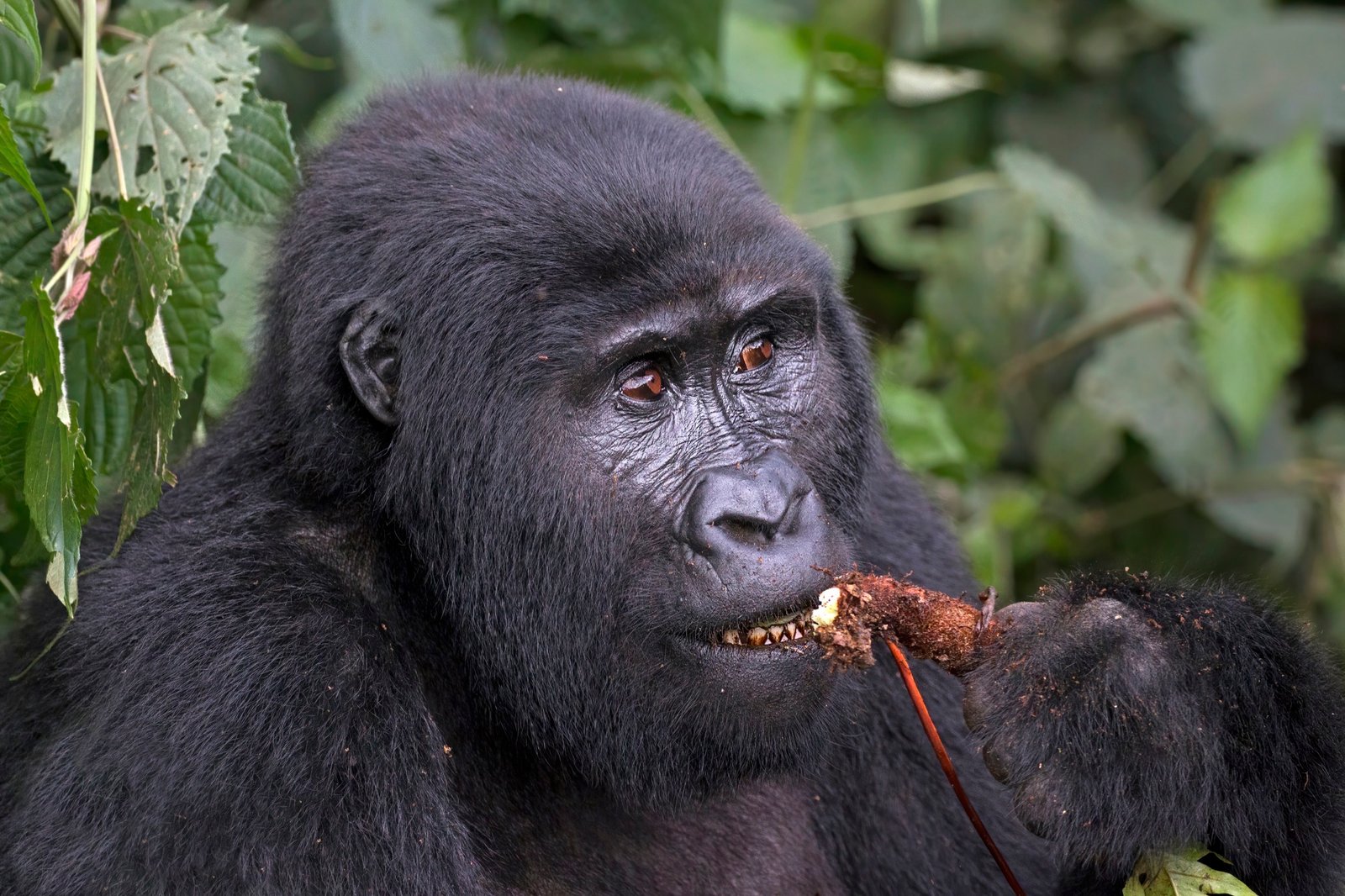
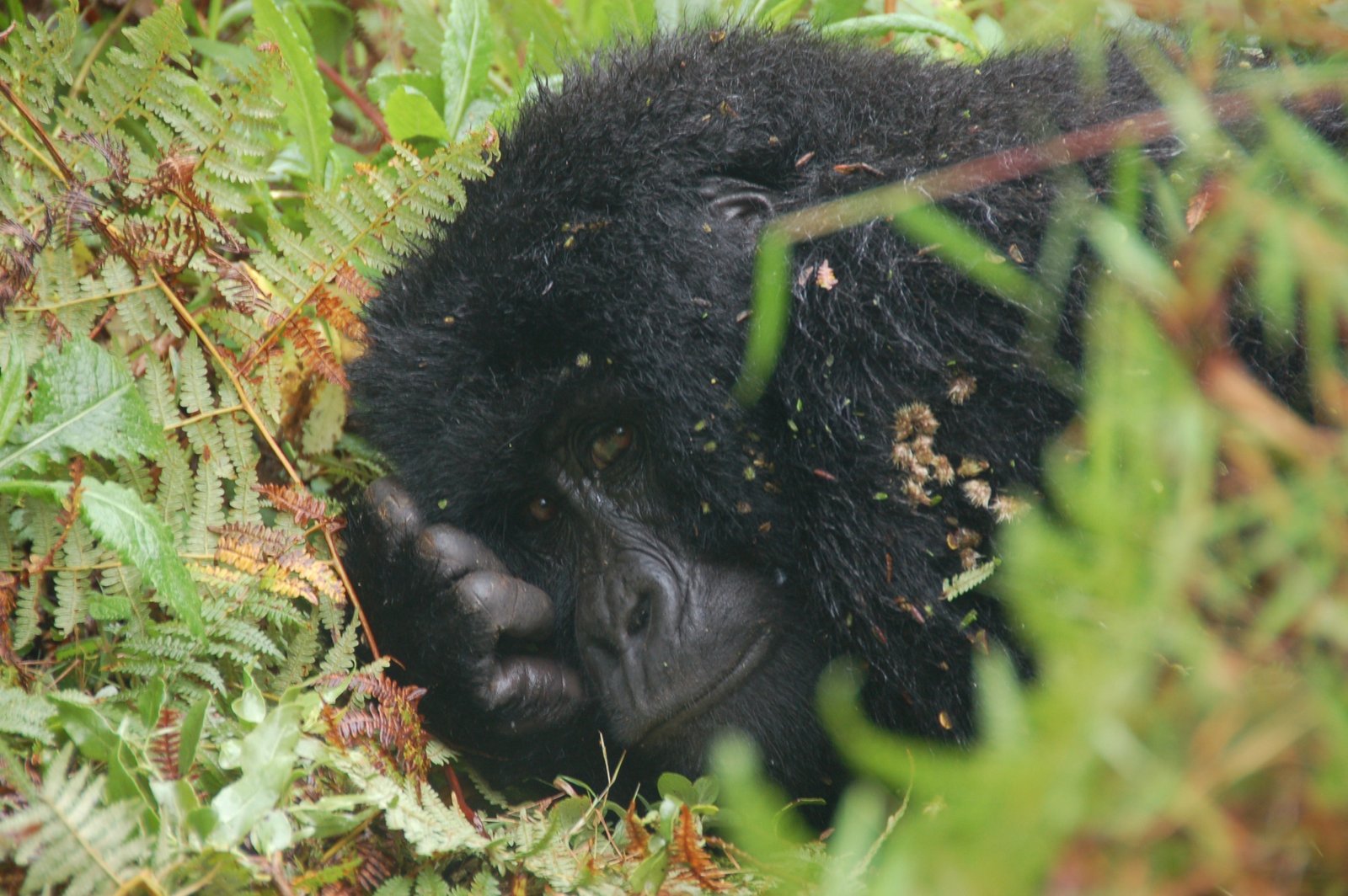
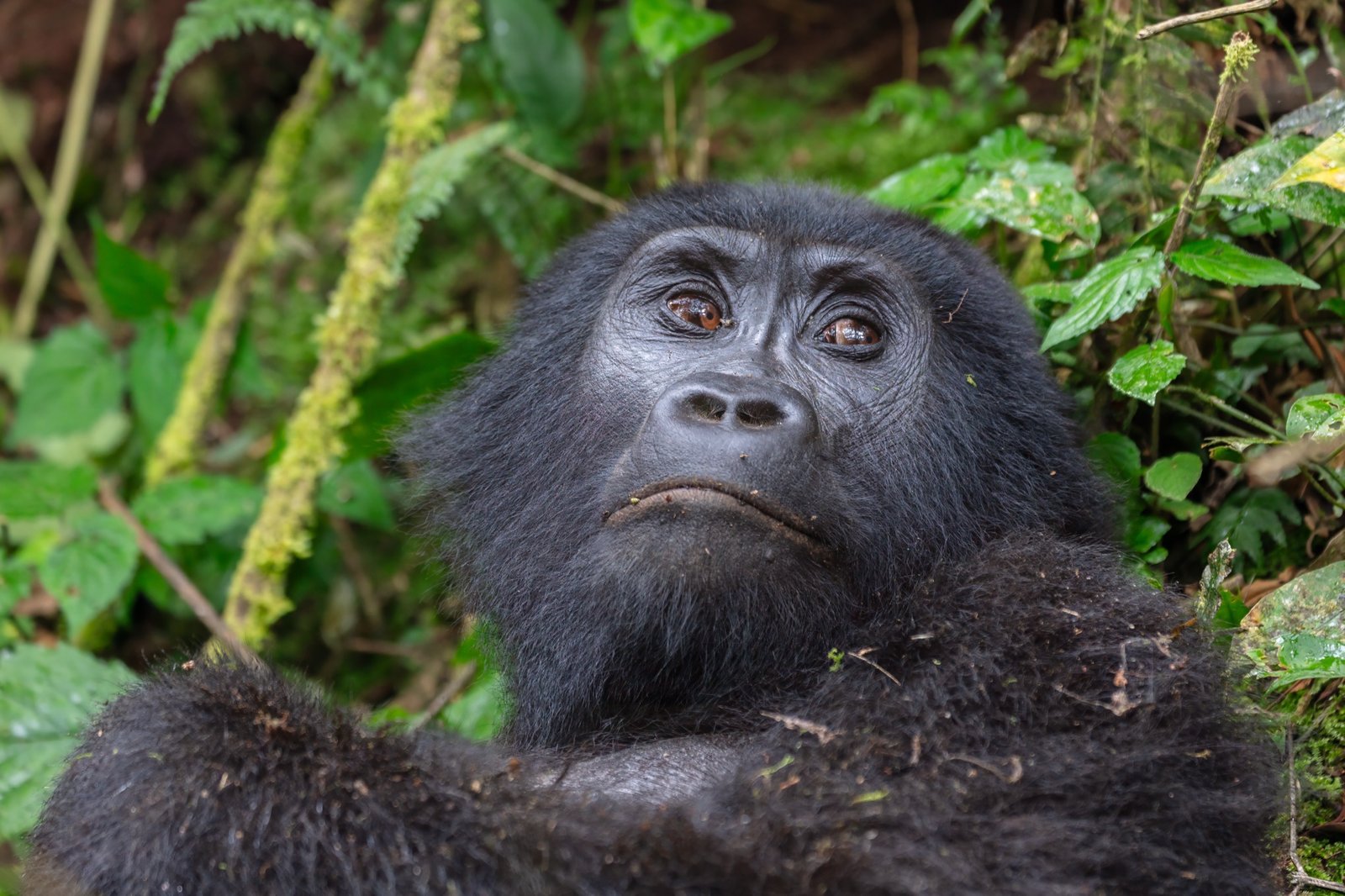
Mountain Gorilla Silverback

Mountain Gorilla Trekking

Bwindi Impenetrable & Mgahinga Gorilla NPs

Roughly half the planet's remaining mountain gorillas (*Gorilla beringei beringei*) reside in Bwindi's four sectors (Buhoma, Ruhija, Rushaga, Nkuringo) and Mgahinga's volcanic slopes.

  • Permits: Official UWA permits required (standard 1-hour & 4-hour habituation). Permits sell out months ahead.
  • Physical Demands: Strenuous 2–7 hour off-trail hiking on steep, muddy ridges at 1,500m–2,600m. Porter support strongly advised.
  • Age & Health Rules: Minimum age 15. Mandatory face masks near gorillas. Strict 7–10m viewing distance. Travelers with respiratory illnesses are barred from tracking.
Bwindi Guide Mgahinga Guide
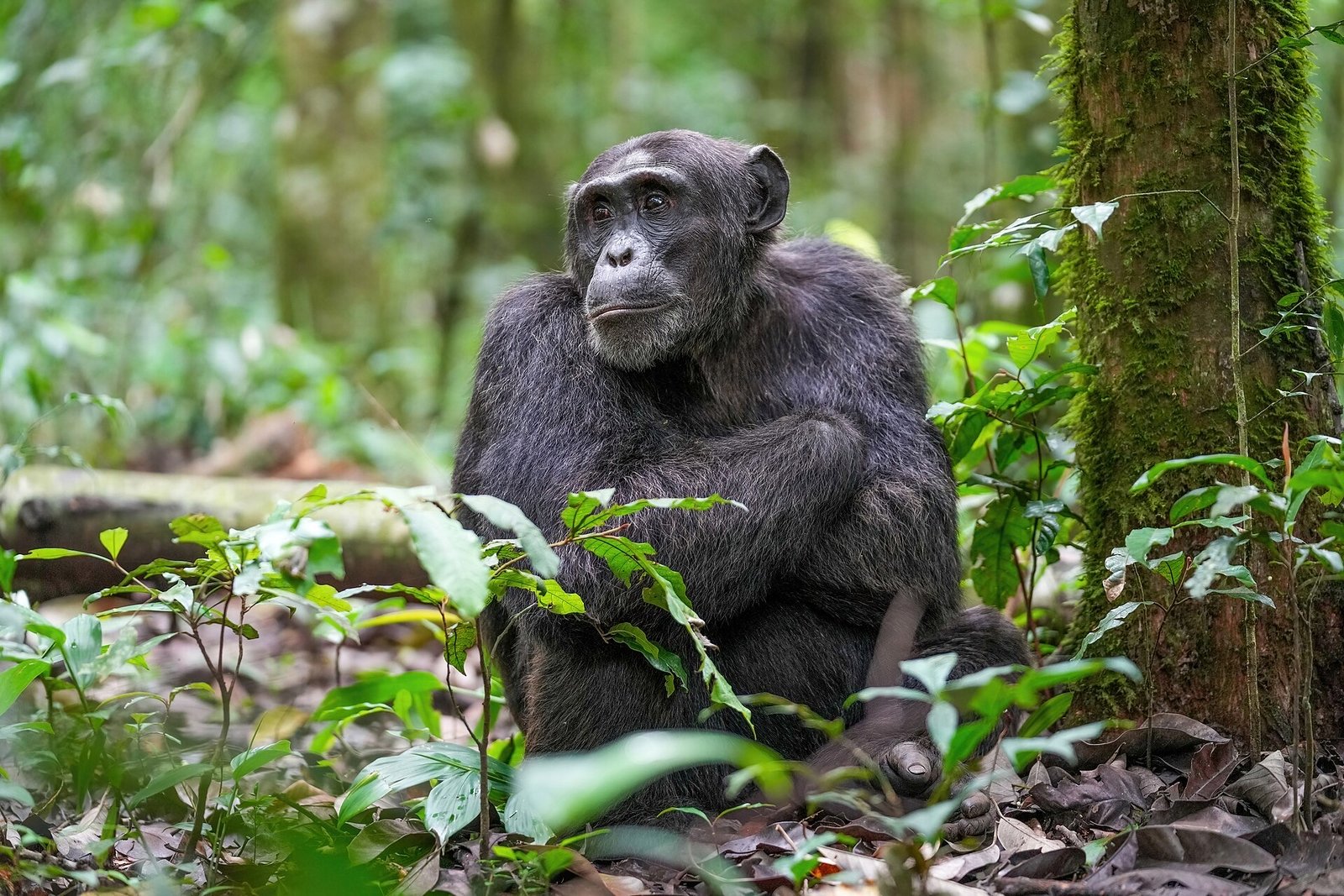
Wild Chimpanzee in Kibale Canopy

Chimpanzee Tracking

Kibale Forest, Kyambura Gorge & Budongo

Our closest genetic relatives (*Pan troglodytes schweinfurthii*) thrive in Kibale National Park (over 1,500 chimps; 95%+ sighting success), the underground gorge of Kyambura, and Budongo Forest.

  • Permits: Official UWA permits required for standard tracking & habituation experience (CHEX) in Kibale National Park.
  • Physical Demands: Active rainforest walking following troops moving through high canopies. Moderate fitness required.
  • Rules: Minimum age 12. No feeding, quiet observation, no flash photography, and minimum 8-meter distance enforced.
Kibale Forest Guide Kyambura Gorge Guide
The Complete National Park Portfolio

Uganda's 10 National Parks

Each national park has its own unique ecological identity, distinct landscapes, specialized wildlife, and recommended safari itineraries.

Where the Nile Meets the Falls 3 – 5 Days 3,893 km² · Gazetted 1952 · Uganda's Largest & Oldest Park

Murchison Falls National Park

Northwestern Uganda (Masindi / Nwoya Districts)
Murchison Falls National Park Landscape
Murchison Falls National Park Wildlife

Defining Landscape

Borassus palm savannas, acacia woodlands, riverine ironwood forests, and the dramatic Victoria Nile exploding through an 8-metre rocky gorge into the Devil’s Cauldron.

Notable Wildlife

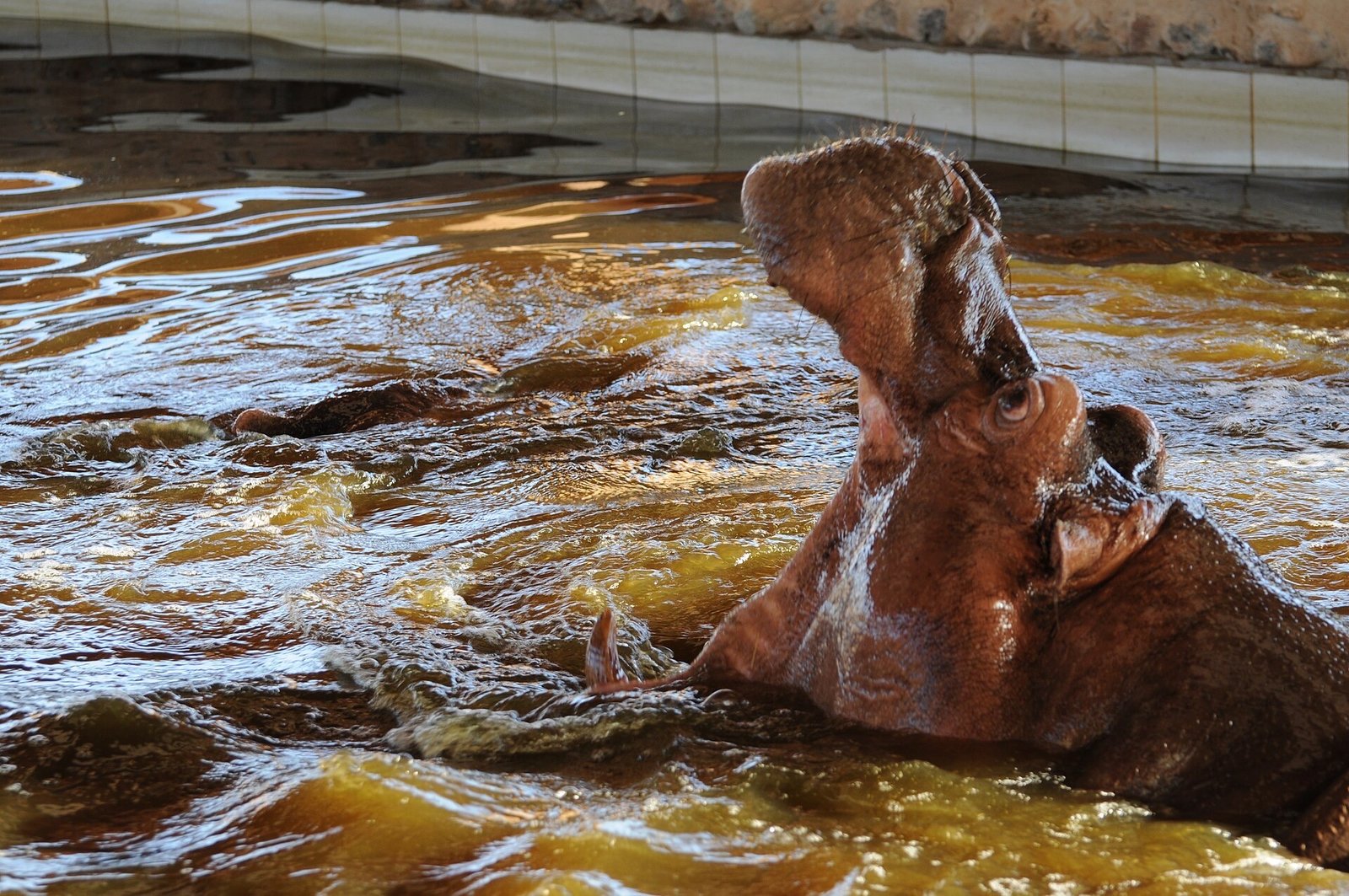
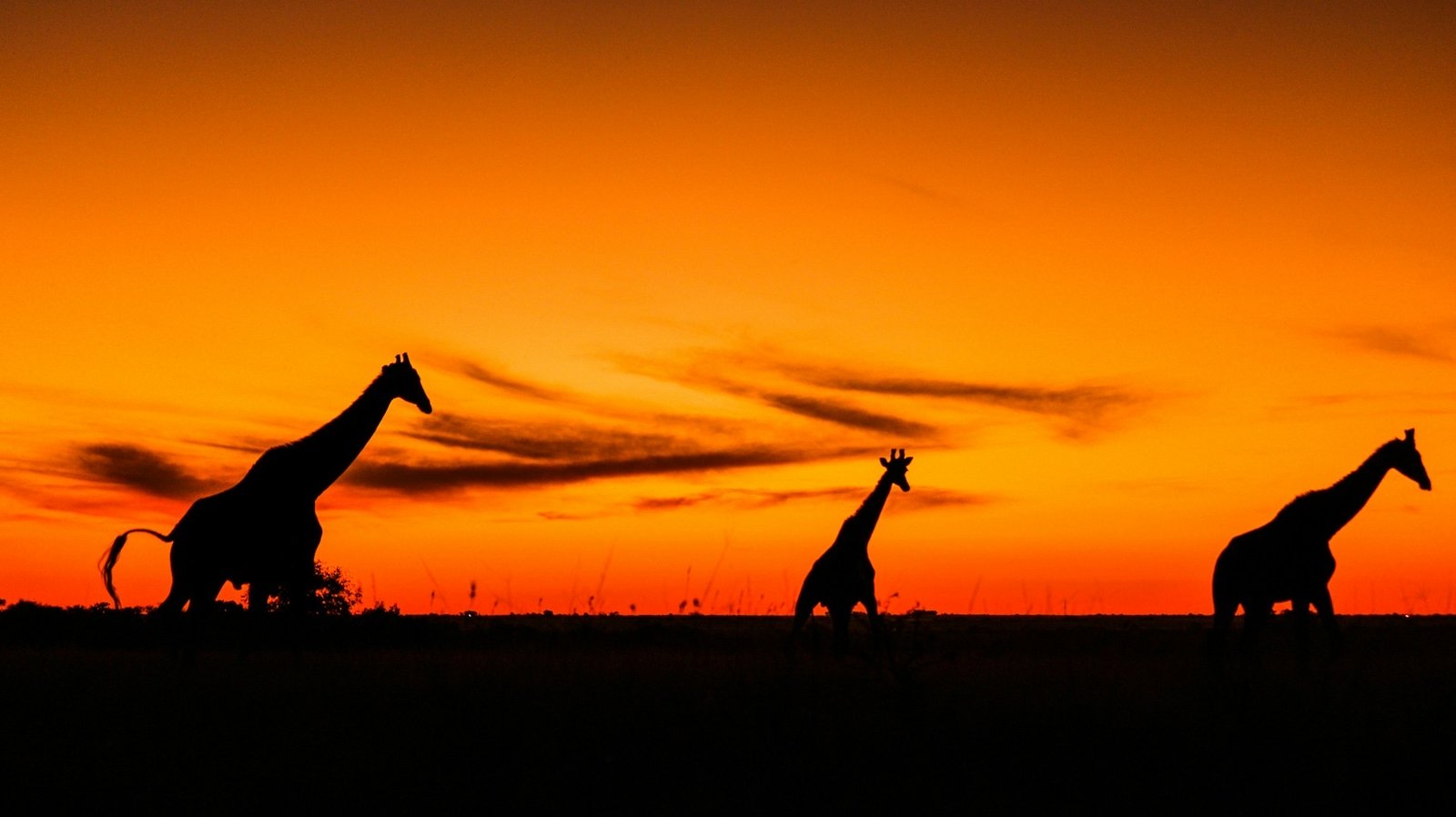
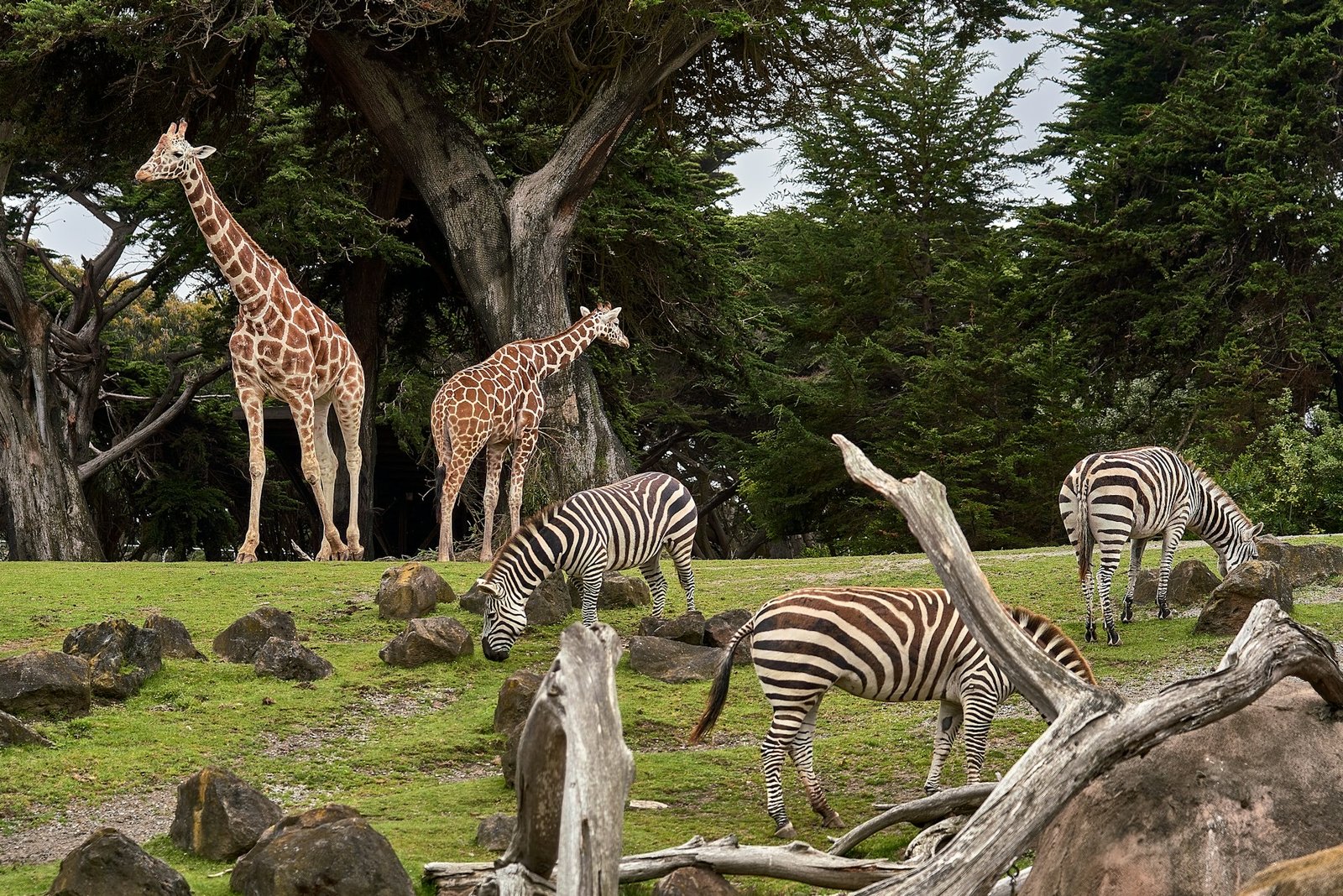
Uganda's largest population of Rothschild's giraffes, massive elephant herds, Cape buffalos, lions, leopards, spotted hyenas, hippos, giant Nile crocodiles, Jackson's hartebeests, and Uganda kobs.

Birdwatching Opportunities

Over 450 bird species recorded, including prehistoric Shoebill stork in delta channels, Goliath heron, Abyssinian ground hornbill, and Red-throated bee-eater.

Conservation Significance: Flagship stronghold for Rothschild's giraffe conservation and critical Nile freshwater corridor.

Signature Safari Activities

  • Boat safari to the base of Murchison Falls
  • Top of the Falls guided cliff hike
  • Savanna predator game drives in Buligi sector
  • Boat expedition to Lake Albert delta for Shoebill
  • Chimpanzee tracking in nearby Budongo Forest
Optimal Seasons
December–February & June–September for dry savanna drives. Boat cruises operate year-round.
Full Park Guide
Savannah Jewel & Tree-Climbing Lions 3 – 5 Days 1,978 km² · Gazetted 1952 · UNESCO Biosphere Reserve

Queen Elizabeth National Park

Western Uganda (Kasese / Rubirizi / Rukungiri Districts)
Queen Elizabeth National Park Landscape
Queen Elizabeth National Park Wildlife

Defining Landscape

Albertine Rift Valley grasslands, candelabra euphorbia savannas, 72 volcanic explosion craters, and the natural 32km Kazinga Channel joining Lakes Edward and George.

Notable Wildlife

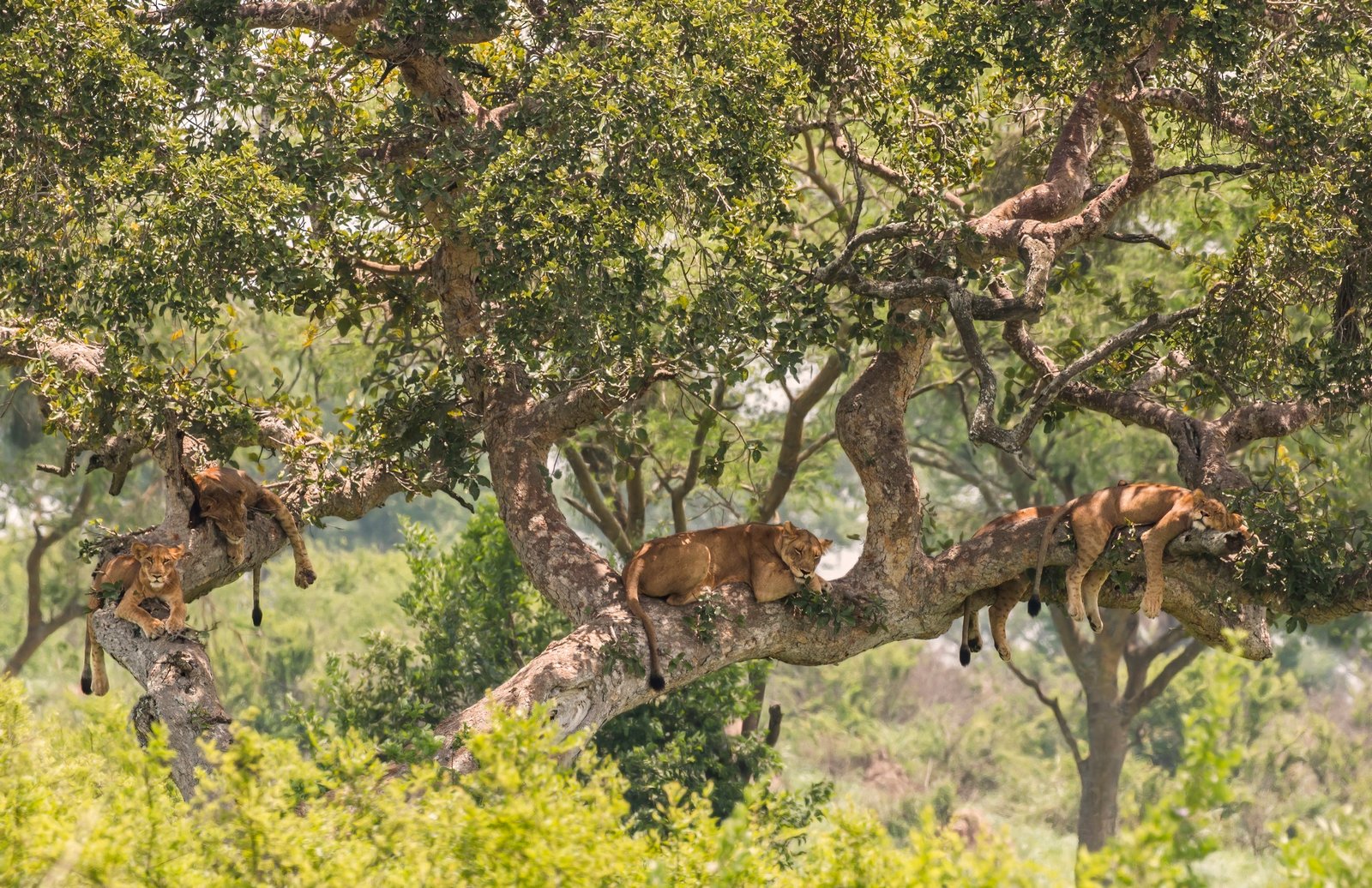
Famous tree-climbing lions in the southern Ishasha sector, Kasenyi savanna lions, leopards, spotted hyenas, massive elephant herds, Cape buffalos, giant forest hogs, and immense hippo concentrations.

Birdwatching Opportunities

Over 600 recorded bird species (one of Africa's highest park tallies), including African skimmer, pink-backed pelicans, Shoebill, martial eagle, and papyrus gonolek.

Conservation Significance: UNESCO Biosphere Reserve; transboundary corridor linked with DR Congo's Virunga National Park.

Signature Safari Activities

  • Launch boat cruise along Kazinga Channel
  • Tracking tree-climbing lions in Ishasha fig trees
  • Chimpanzee tracking in Kyambura Gorge ('Valley of Apes')
  • Dawn predator drives across Kasenyi Plains
  • Scenic drive through Katwe volcanic crater lakes
Optimal Seasons
June–September & December–February for firm tracks. Daily boat safaris year-round.
Full Park Guide
Primeval Mountain Gorilla Cloud Forest 3 – 5 Days 321 km² · Gazetted 1991 · UNESCO World Heritage Site

Bwindi Impenetrable National Park

Southwestern Uganda (Kanungu / Kisoro / Rubanda Districts)
Bwindi Impenetrable National Park Landscape
Bwindi Impenetrable National Park Wildlife

Defining Landscape

Ancient Afro-montane rainforest dating over 25,000 years; steep mist-wrapped ridges, giant hardwood canopies, bamboo belts, and deep river gorges (1,160m–2,607m).

Notable Wildlife

Roughly 459 endangered mountain gorillas (around half the world population) across Buhoma, Ruhija, Rushaga, and Nkuringo sectors. Also forest elephants, L'Hoest's monkeys, and colobus.

Birdwatching Opportunities

350 species including 23 Albertine Rift endemics such as African green broadbill, Grauer's rush warbler, and Shelley's crimsonwing.

Conservation Significance: UNESCO World Heritage Site; premier global refuge for endangered hominid survival.

Signature Safari Activities

  • Mountain gorilla trekking (1 hr with habituated family)
  • Gorilla Habituation Experience (4 hrs with researchers in Rushaga/Nkuringo)
  • Batwa cultural forest heritage walks
  • Albertine Rift endemic birding at Mubwindi Swamp
  • Munyaga and Kashasha rainforest waterfall hikes
Optimal Seasons
June–August & December–February (drier forest trails; tracking operates year-round).
Full Park Guide
The Primate Capital of the World 2 – 4 Days 795 km² · Gazetted 1993 · 13 Primate Species

Kibale National Park

Western Uganda near Fort Portal (Kabarole / Kamwenge Districts)
Kibale National Park Landscape
Kibale National Park Wildlife

Defining Landscape

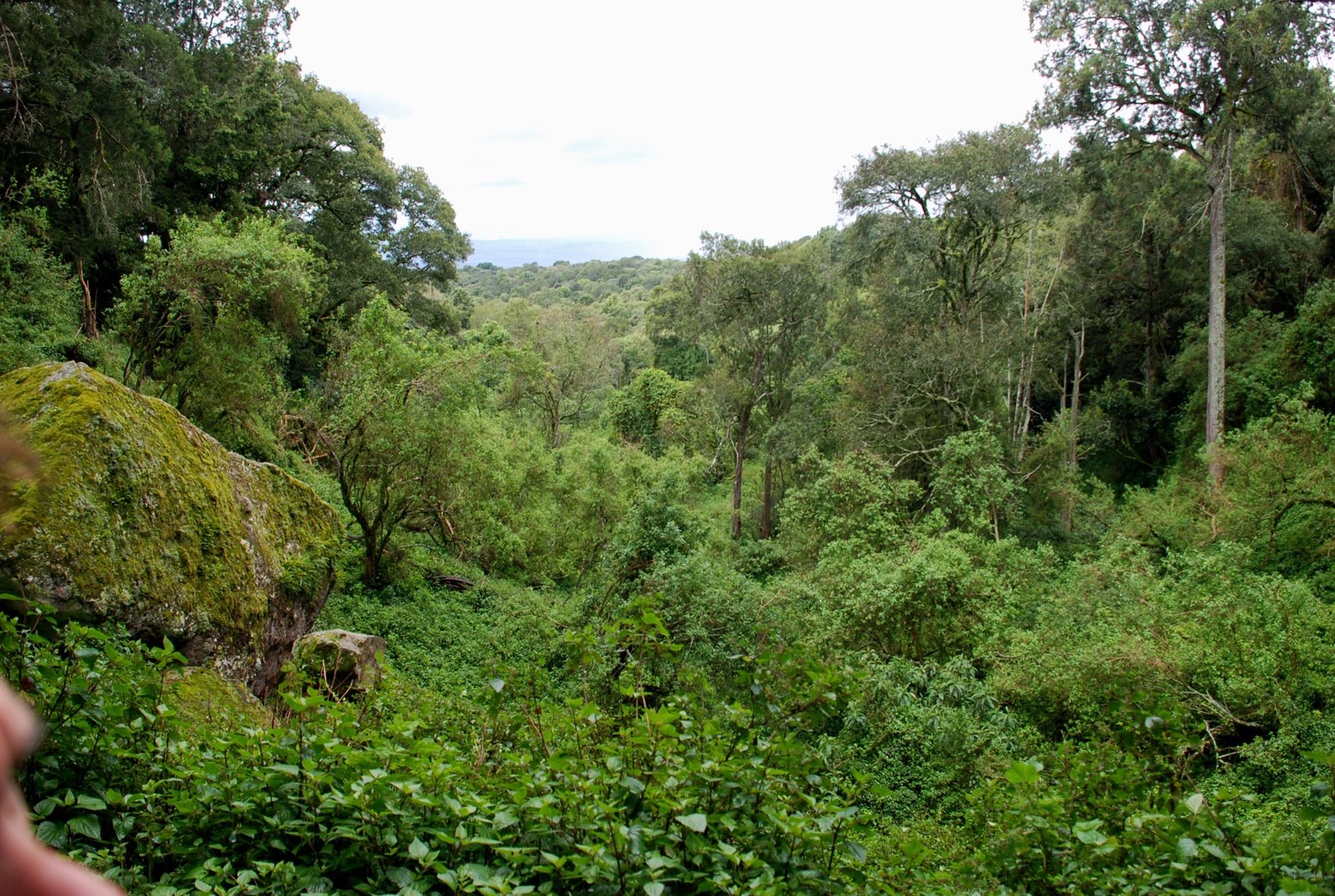
Mid-altitude equatorial rainforest with towering ironwood and mahogany canopies up to 55m, swamp forests, riverine corridors, and volcanic crater lake rims.

Notable Wildlife

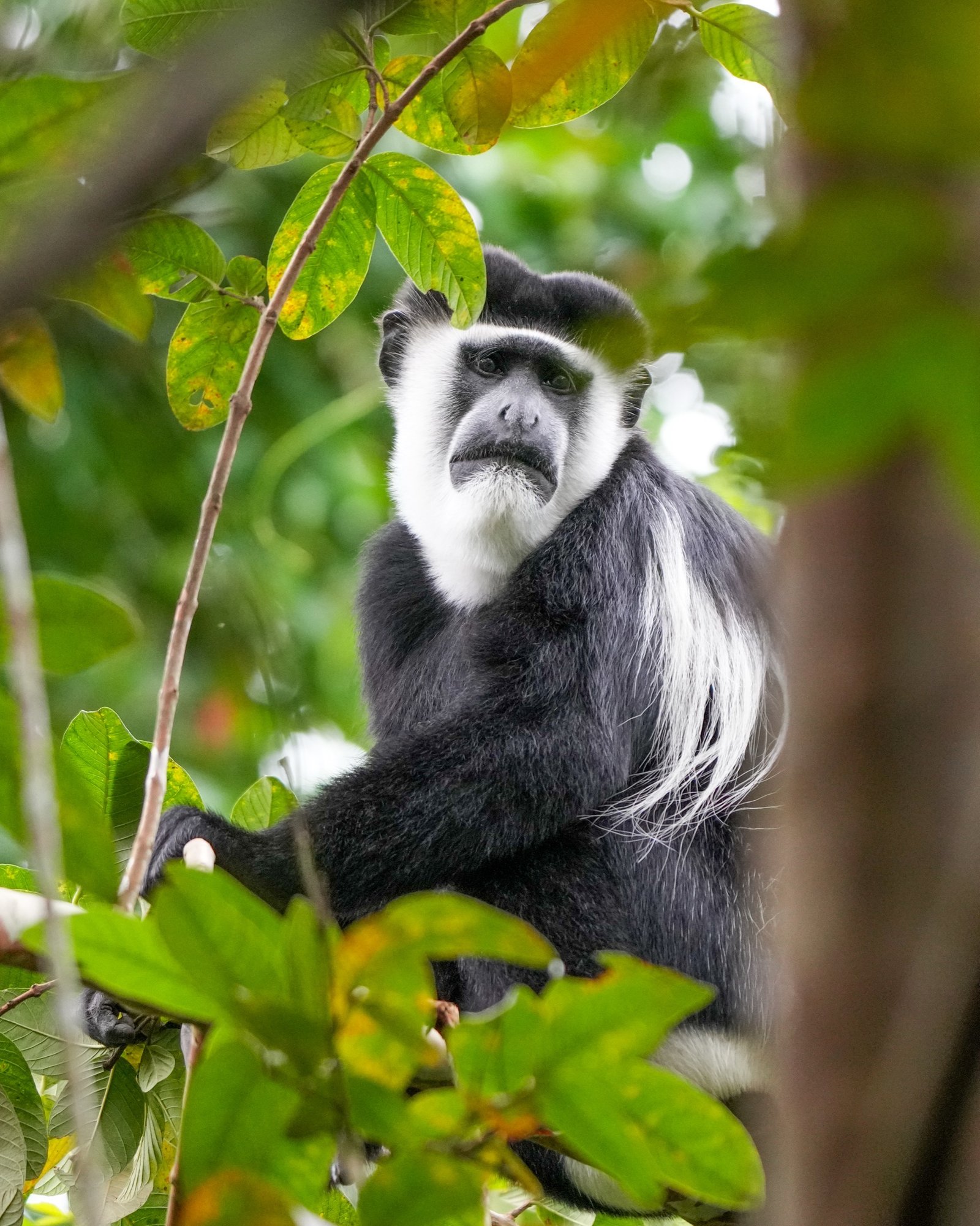
Over 1,500 wild eastern chimpanzees with 95%+ tracking success; 12 other primates including endangered red colobus, L'Hoest's monkey, black-and-white colobus, grey-cheeked mangabey, bushbabies.

Birdwatching Opportunities

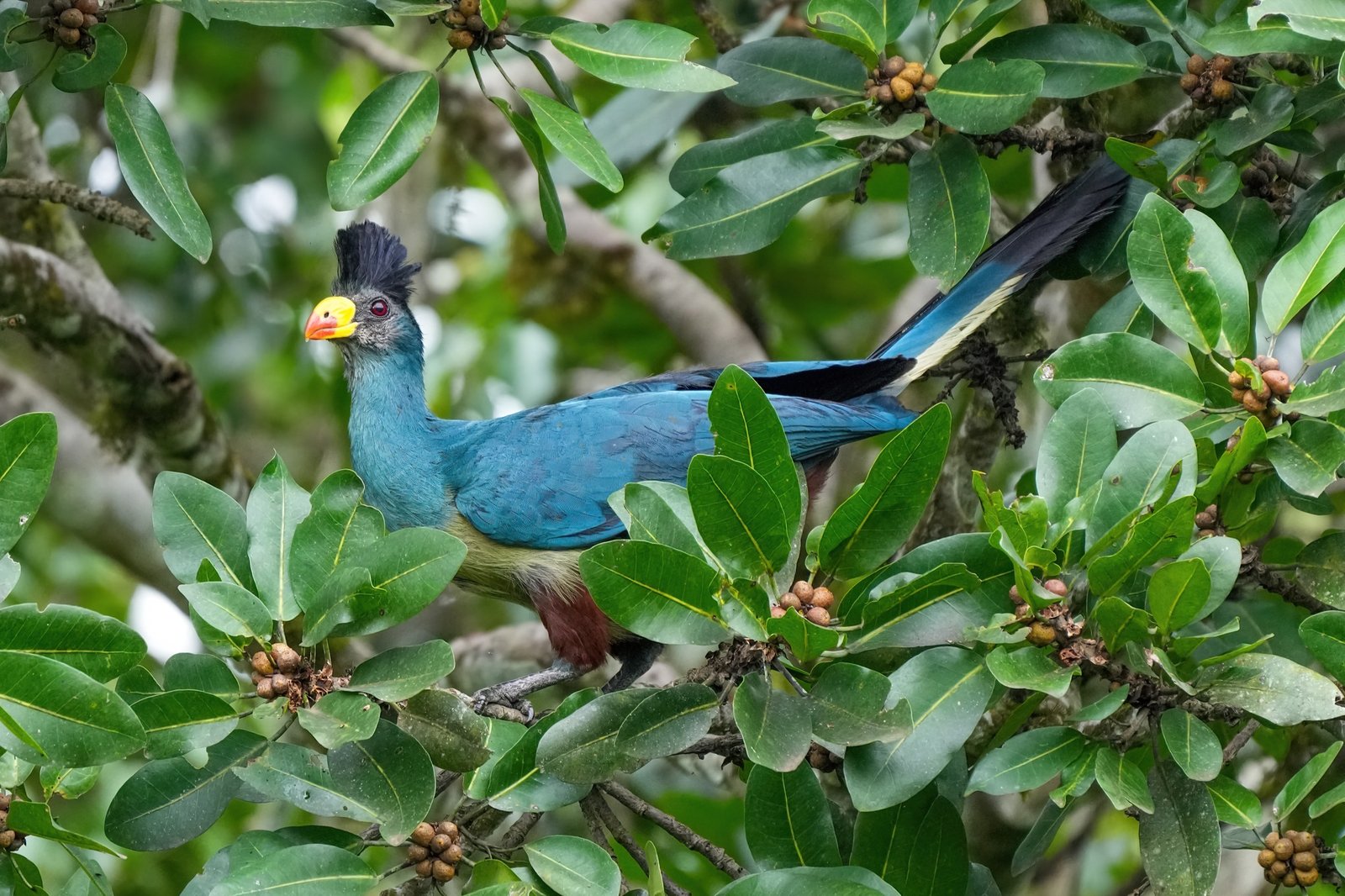
375 bird species including the rare Green-breasted pitta, Great blue turaco, African pitta, and Black bee-eater.

Conservation Significance: Crucial Albertine Rift ecological corridor and premier chimpanzee research site.

Signature Safari Activities

  • Chimpanzee tracking (morning and afternoon sessions)
  • Full-day Chimpanzee Habituation Experience (CHEX)
  • Bigodi Wetland Sanctuary guided swamp boardwalk tour
  • Guided nocturnal rainforest walk for pottos and galagos
  • Ndali-Kasenda crater lake hiking
Optimal Seasons
June–September & December–February (drier trails; open year-round).
Full Park Guide
Africa's True Lost Wilderness 3 – 5 Days 1,442 km² · Gazetted 1962 · Highest Predator Density

Kidepo Valley National Park

Extreme Northeastern Uganda (Kaabong District, Karamoja)
Kidepo Valley National Park Landscape
Kidepo Valley National Park Wildlife

Defining Landscape

Rugged semi-arid valleys framed by Mount Morungole, golden sand-bed Kidepo river flanked by Borassus palms, and the lush year-round Narus waterhole basin.

Notable Wildlife

Prides of lions resting on granite kopjes, cheetahs (only viable park population in Uganda), leopards, bat-eared foxes, striped hyenas, caracals, 1,000+ buffalo herds, Rothschild's giraffes, ostriches.

Birdwatching Opportunities

Over 475 bird species (2nd highest in Uganda) including 56 raptors, Ostrich, Kori bustard, Karamoja apalis, and Pygmy falcon.

Conservation Significance: Unspoiled transboundary wilderness and only Ugandan refuge for arid-adapted northern fauna.

Signature Safari Activities

  • Dawn and dusk Narus Valley predator game drives
  • Kidepo sand river and Kanangorok hot springs drive
  • Guided wilderness walking safaris with armed rangers
  • Karamojong cultural manyatta visits
  • Mount Morungole hike to visit the isolated Ik tribe
Optimal Seasons
September–March (dry season concentrates wildlife around Narus waterholes).
Full Park Guide
Wild Zebras, Impalas & Walking Safaris 1 – 3 Days 370 km² · Gazetted 1983 · 5 Freshwater Lakes

Lake Mburo National Park

Western Uganda (Kiruhura District, on Kampala–Bwindi Highway)
Lake Mburo National Park Landscape
Lake Mburo National Park Wildlife

Defining Landscape

Rolling acacia-clad hills, open grassy savannas, granite rocky kopjes, seasonal marshes, and a cluster of five freshwater lakes.

Notable Wildlife

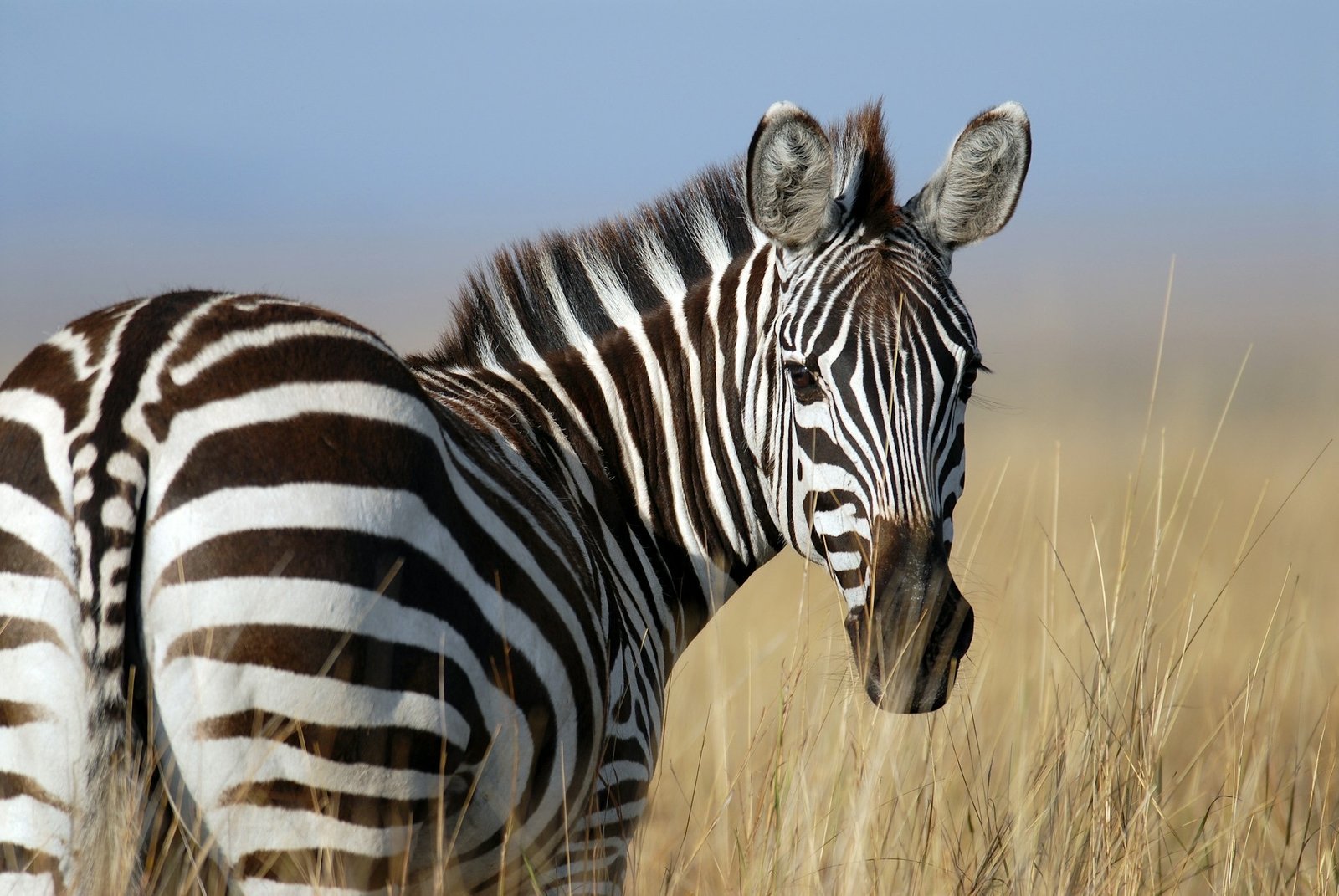
The only national park in southern Uganda with wild plains zebras and impalas. Also eland, topi, Cape buffalo, leopards, Rothschild's giraffes (reintroduced 2015), hippos, hyenas.

Birdwatching Opportunities

350 species including the rare African finfoot, Red-faced barbet, Brown-chested lapwing, and Papyrus yellow warbler.

Conservation Significance: Pivotal wetland basin integrating community pastoralism with ecological recovery.

Signature Safari Activities

  • Walking safaris on foot with armed UWA rangers
  • Boat cruise on Lake Mburo (hippos, Nile crocs)
  • Spotlight night game drives for leopards and bushbabies
  • Horseback riding safaris directly through savanna game
  • Guided mountain biking along savanna trails
Optimal Seasons
Year-round accessible. Drier months (June–August & December–February) provide firmest trails.
Full Park Guide
Where Gold Meets Silver on Virunga Volcanoes 2 – 4 Days 33.7 km² · Gazetted 1991 · Uganda's Smallest National Park

Mgahinga Gorilla National Park

Extreme Southwestern Uganda (Kisoro District, Virunga Range)
Mgahinga Gorilla National Park Landscape
Mgahinga Gorilla National Park Wildlife

Defining Landscape

Northern volcanic slopes of three extinct cones: Mount Muhavura (4,127m), Mount Gahinga (3,474m), and Mount Sabyinyo (3,669m); bamboo belts and giant lobelia moorlands.

Notable Wildlife

The habituated Nyakagezi mountain gorilla family and endangered Golden Monkeys (*Cercopithecus kandti*) in bamboo zones; mountain duikers, forest buffaloes, leopards.

Birdwatching Opportunities

Around 180 species including 14 Albertine Rift endemics such as the Rwenzori turaco, Handsome spurfowl, and Regal sunbird.

Conservation Significance: Part of the tri-national Virunga Conservation Area (Uganda, Rwanda, DRC) protecting endangered primates.

Signature Safari Activities

  • Mountain gorilla trekking on volcanic bamboo slopes
  • Golden Monkey tracking and habituation
  • One-day volcano summit hikes (Mount Sabyinyo, Muhavura, Gahinga)
  • The Batwa Cultural Trail visiting sacred Garama Cave
  • Sabinyo Gorge nature and birding walks
Optimal Seasons
June–August & December–February for firm volcano climbing and bamboo trekking.
Full Park Guide
The Legendary Mountains of the Moon 5 – 9 Days (for summit) / 2 – 3 Days (foothills) 996 km² · Gazetted 1991 · UNESCO World Heritage Site

Rwenzori Mountains National Park

Western Uganda (Kasese / Kabarole / Bundibugyo Districts)
Rwenzori Mountains National Park Landscape
Rwenzori Mountains National Park Wildlife

Defining Landscape

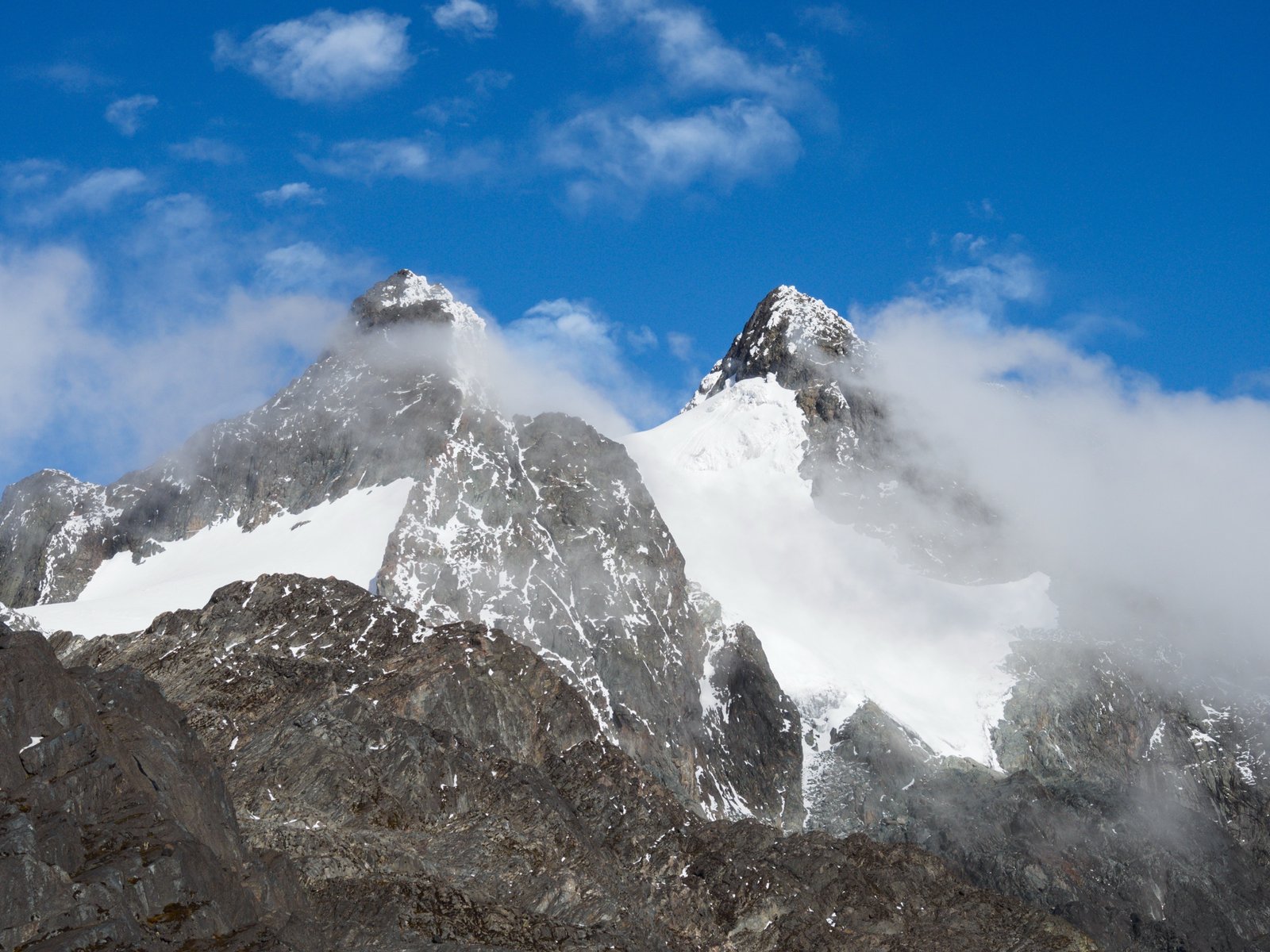
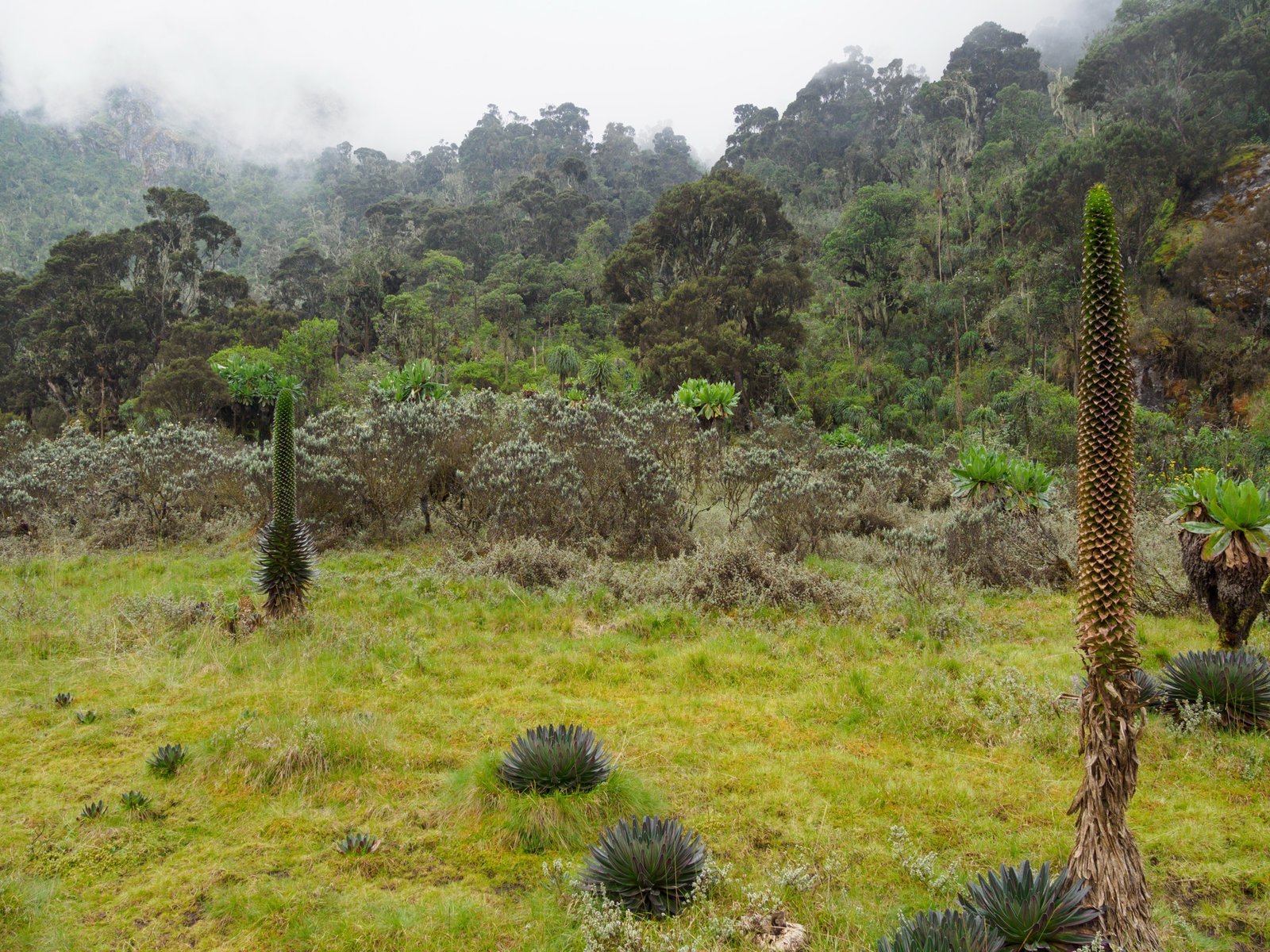
Colossal 120km non-volcanic fault-block mountain massif culminating at glaciated Margherita Peak on Mount Stanley (5,109m); 5 distinct altitudinal vegetation zones with giant groundsels and lobelias.

Notable Wildlife

Adapted montane fauna: Rwenzori red duiker, colobus, L'Hoest's monkeys, hyraxes, and the endemic three-horned Rwenzori chameleon (*Trioceros johnstoni*).

Birdwatching Opportunities

217 species with 19 Albertine Rift endemics including Rwenzori turaco, Archer's robin-chat, and Stripe-breasted tit.

Conservation Significance: UNESCO World Heritage Site and Ramsar wetland; primary glacial water catchment for the Nile River system.

Signature Safari Activities

  • 7- to 9-day technical mountaineering to Margherita Peak
  • Central Circuit and Kilembe trail alpine trekking
  • Short 1- to 3-day foothills forest and waterfall hikes
  • Bakonzo community cultural walks in Ruboni village
  • High-altitude Albertine Rift birding
Optimal Seasons
June–August & December–February (critical dry windows for high-altitude trekking).
Full Park Guide
World's Largest Intact Volcanic Caldera & Sipi Falls 2 – 5 Days 1,121 km² (Uganda sector) · Gazetted 1992 · Wagagai Peak (4,321m)

Mount Elgon National Park

Eastern Uganda on Kenya border (Mbale / Kapchorwa Districts)
Mount Elgon National Park Landscape
Mount Elgon National Park Wildlife

Defining Landscape

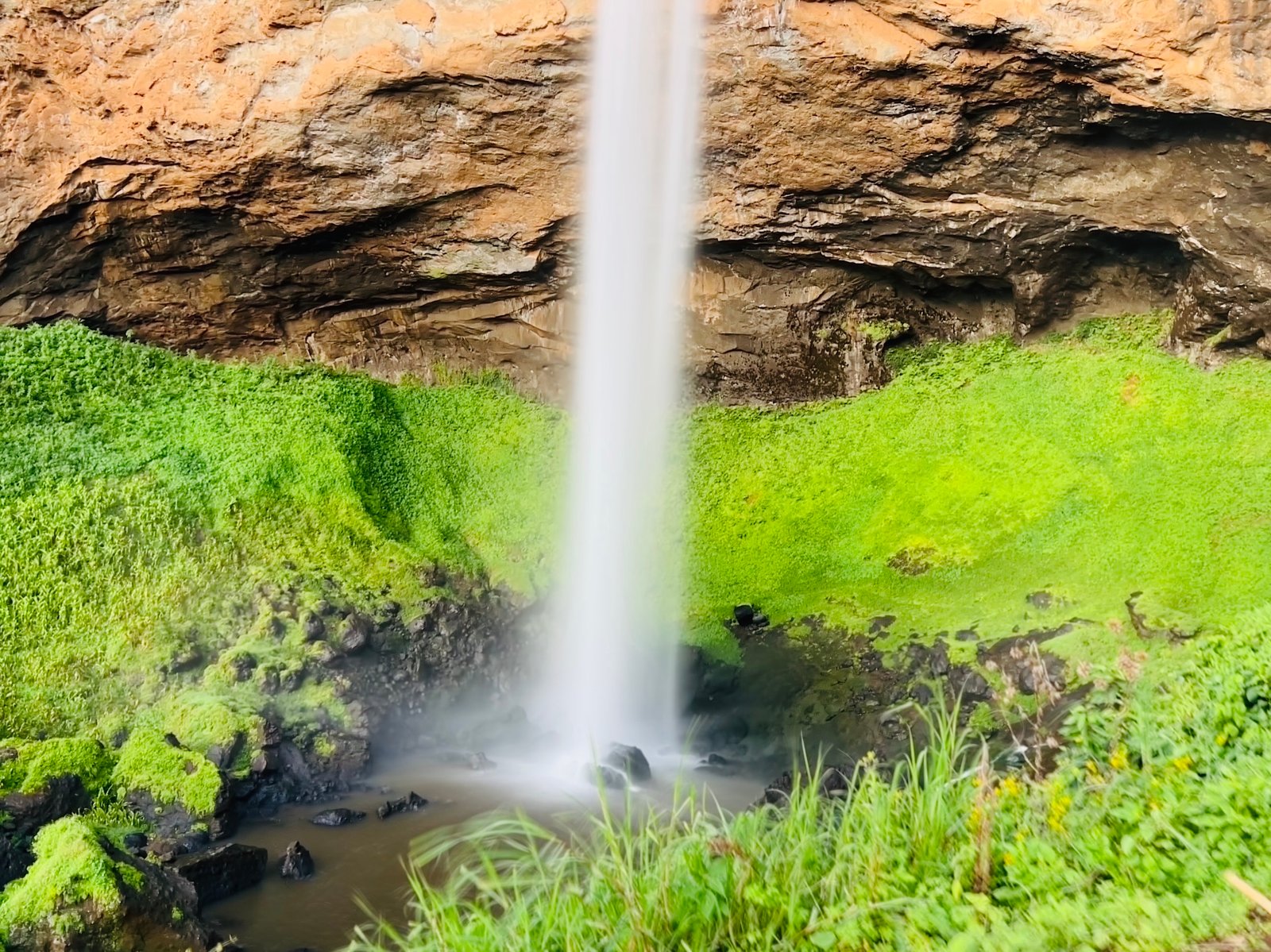
Ancient collapsed shield volcano boasting the world's largest intact surface caldera (40 km²); cascading waterfalls including Sipi Falls, deep gorges, and subterranean salt caves.

Notable Wildlife

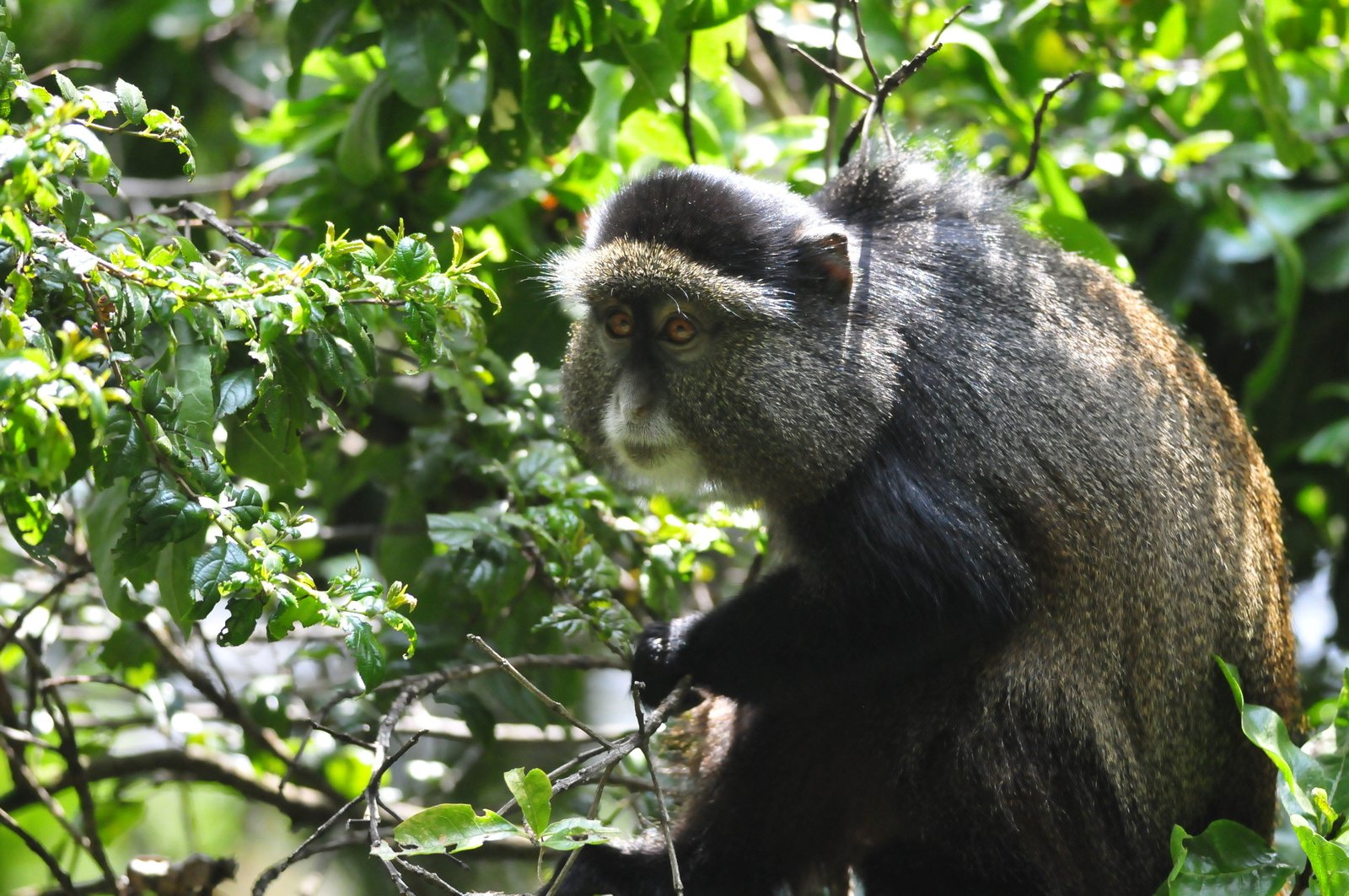
Elephants and antelopes that enter subterranean volcanic caves to lick mineral salts; colobus monkeys, blue monkeys, defassa waterbucks, bushbucks, spotted hyenas.

Birdwatching Opportunities

Over 300 bird species including the endangered Lammergeier (Bearded Vulture), Jackson's francolin, and Tacazze sunbird.

Conservation Significance: Transboundary UNESCO Biosphere Reserve; vital regional water tower for Lake Victoria and Nile basins.

Signature Safari Activities

  • 4- to 5-day non-technical trek to Wagagai Peak and caldera
  • Guided hike to all three cascades of Sipi Falls
  • Abseiling down the 100m cliff face beside Sipi Falls
  • Exploring Kitum and Chepnyalil elephant salt caves
  • Arabica coffee picking and roasting tours with Bagisu farmers
Optimal Seasons
June–August & December–March for clear trail footing and crisp caldera vistas.
Full Park Guide
True Lowland Rainforest & Boiling Sempaya Hot Springs 2 – 3 Days 220 km² · Gazetted 1993 · Central African Biome in East Africa

Semuliki National Park

Bundibugyo District, Western Albertine Rift Valley floor
Semuliki National Park Landscape
Semuliki National Park Wildlife

Defining Landscape

East Africa's only tract of true Guineo-Congolian lowland tropical rainforest; ironwood riverine forest, swamp forest, and active geothermal geysers bubbling at 100°C+.

Notable Wildlife

Unique Central African species: water chevrotain, pygmy flying squirrel, red-tailed monkey, De Brazza's monkey, Mona monkey, chimpanzees, forest elephants, and hippos.

Birdwatching Opportunities

Over 441 recorded bird species with 35 Central African Guinea-Congo endemics not found elsewhere in East Africa (Congo serpent eagle, Black-wattled hornbill).

Conservation Significance: Ancient Albertine Rift lowland forest refuge dating back to the last Ice Age.

Signature Safari Activities

  • Witnessing male ('Biteete') and female ('Nyasimbi') Sempaya Hot Springs
  • Boiling eggs and plantains in under 5 minutes in natural hot springs
  • Kirumia nature trail deep rainforest hiking to Semliki River
  • Specialized Guinea-Congo biome birding expeditions
  • Cultural interaction with indigenous Batwa community at Ntandi
Optimal Seasons
December–February & June–September (drier forest trails; hot springs active every day).
Full Park Guide
Official Protected-Area Directory

Uganda's 12 Wildlife Reserves

Managed by the Uganda Wildlife Authority (UWA) under IUCN Category IV status, these 12 reserves serve as crucial wildlife migration corridors, botanical havens, and wilderness frontiers for guided walking safaris and game drives.

Wildlife Reserve 2,043 km² · Uganda's 2nd Largest Protected Area

Pian Upe Wildlife Reserve

Nakapiripirit & Amudat Districts (Southern Karamoja)
Enquire Reserve Itinerary
Landscape: Expansive golden savannas, Mount Kadam volcanic backdrop, red-sand plains, acacia thickets, and seasonal riverine marshes.
Notable Wildlife: Cheetahs, endangered roan antelope, leopards, plains zebras (reintroduced), Jackson's hartebeests, elands, Cape buffalos, and ostriches.
Access: 6 hours drive from Kampala via Mbale and Sipi Falls; 2.5 hours drive from Mbale on tarmac and murram roads.
Conservation Role: Flagship recovery landscape for cheetahs, roan antelopes, and plains zebras in East Africa.
Key Activities: Pian Upe savanna game drives Guided wilderness walking safaris Mount Kadam vistas Napao rock art & sacred caves Karamojong & Pokot cultural interactions
Wildlife Reserve 1,569 km²

Matheniko Wildlife Reserve

Moroto District (Central Karamoja, bordering Kenya)
Enquire Reserve Itinerary
Landscape: Rugged semi-arid montane shrubs, acacia thickets, rocky hills, and high-altitude Somali-Masai biome savannas.
Notable Wildlife: Roan antelope, lesser kudu, Bright's gazelle, mountain reedbuck, leopards, striped hyenas, serval cats, and rock hyraxes.
Access: Accessible from Moroto town (approx. 45 km northeast) on murram tracks; 4x4 required.
Conservation Role: Vital transboundary corridor connecting Karamoja wilderness with Kenyan arid rangelands.
Key Activities: Rugged 4x4 wilderness game viewing Ancient Tepeth rock paintings at Mogoth Guided mountain hiking Birdwatching for dry-country species
Wildlife Reserve 1,811 km²

Bokora Wildlife Reserve

Kotido, Moroto & Abim Districts (Karamoja)
Enquire Reserve Itinerary
Landscape: Dry savanna plains, thornbush thickets, and the seasonal Lomej wetlands.
Notable Wildlife: Elands, ostriches, roan antelopes, striped hyenas, oribis, Bright's gazelles, and seasonal migratory waterbirds.
Access: Reached via the Moroto–Kotido road; best visited during the dry season with armed UWA rangers.
Conservation Role: Extensive northern wetland buffer that acts as an essential drought refuge for grazing herds.
Key Activities: Lomej wetland seasonal birding Savanna game tracking Traditional Karamojong pastoral encounters
Wildlife Reserve 166 km²

Ajai Wildlife Reserve

Madi-Okollo District, West Nile (Western Bank of Albert Nile)
Enquire Reserve Itinerary
Landscape: Island savanna surrounded by expansive papyrus wetlands and seasonally flooded Albert Nile grasslands.
Notable Wildlife: Uganda kob, sitatunga (semi-aquatic swamp antelope), hippopotamuses, Cape buffalos, olive baboons, and waterbucks.
Access: Approx. 40 km from Arua city via Rhino Camp road; accessible by road from Gulu via Pakwach.
Conservation Role: Historically protected the last wild white rhinos in northwestern Uganda; designated for potential future rhino reintroduction.
Key Activities: Historical sanctuary of the wild white rhino (named after Chief Ajai) Boat and canoe birding for Shoebill Walking safaris through wooded savannas
Wildlife Reserve 211 km²

Katonga Wildlife Reserve

Kyenjojo & Kamwenge Districts (Western Uganda)
Enquire Reserve Itinerary
Landscape: Katonga River drainage basin, dense papyrus swamps, riverine woodland, and acacia scrub.
Notable Wildlife: Over 300 elusive semi-aquatic Sitatunga antelopes, bushbucks, bohor reedbucks, African clawless otters, and black-and-white colobus.
Access: Approx. 4 hours drive from Kampala via Kyegegwa/Kyenjojo on the Fort Portal road.
Conservation Role: Crucial wetland sponge and one of the largest continuous sitatunga habitats in East Africa.
Key Activities: Uganda's premier guided on-foot walking safari reserve Canoe safaris along the Katonga River channels Specialized birdwatching for swamp papyrus endemics
Wildlife Reserve 542 km² · Uganda's Oldest Reserve (Est. 1926)

Toro-Semliki Wildlife Reserve

Ntoroko & Kabarole Districts (Shores of Lake Albert)
Enquire Reserve Itinerary
Landscape: Rolling acacia savannas, Borassus palm glades, riverine gallery forests, and sandy Lake Albert shores beneath the northern Rwenzori wall.
Notable Wildlife: Savanna chimpanzees (famed for long-term bipedal research), Uganda kob (densest lek breeding grounds), buffalos, elephants, waterbucks, and giant forest hogs.
Access: Approx. 1.5 hours drive from Fort Portal tourism city descending the northern rift escarpment.
Conservation Role: East Africa's oldest wildlife reserve, conserving critical lowland savanna chimps and rift valley shoreline.
Key Activities: Boat safaris on Lake Albert in search of the Shoebill stork Guided walks tracking savanna chimpanzees in gallery forests Game drives across palm-dotted savannas Semliki Safari Lodge luxury eco-stays
Wildlife Reserve 87 km²

Kabwoya Wildlife Reserve

Kikuube & Hoima Districts (Albertine Rift Escarpment)
Enquire Reserve Itinerary
Landscape: Dramatic 300-metre rift valley escarpment cliffs tumbling down to open grasslands along Lake Albert with views of DR Congo.
Notable Wildlife: Thriving populations of Uganda kob, bushbucks, defassa waterbucks, oribis, warthogs, and chimpanzees in river gullies.
Access: Approx. 4 hours drive from Kampala via Hoima on paved and well-maintained murram roads.
Conservation Role: Community conservation success story where intensive anti-poaching and habitat management restored wildlife from near-zero in the 1990s.
Key Activities: Guided mountain biking directly along savanna game trails Guided on-foot fossil hunting and nature walks Horseback safaris from Lake Albert Safari Lodge Panoramic sunset photography over Lake Albert
Wildlife Reserve 473 km²

Bugungu Wildlife Reserve

Buliisa & Masindi Districts (Southern Murchison Buffer)
Enquire Reserve Itinerary
Landscape: Savanna woodlands, dry thickets, and rolling plains sloping down the Albertine escarpment toward Lake Albert.
Notable Wildlife: Lions, leopards, African bush elephants, Cape buffalos, Rothschild's giraffes, and waterbucks moving freely across the Murchison boundary.
Access: Forms the southern boundary of Murchison Falls NP; entered via Bugungu gate or Masindi route.
Conservation Role: Part of the greater Murchison Falls Protected Area (MFPA); essential seasonal dispersal buffer for large herbivores.
Key Activities: Wilderness game tracking without tourist vehicles Walking safaris with armed UWA rangers Scenic escarpment viewpoints overlooking Lake Albert
Wildlife Reserve 675 km²

Karuma Wildlife Reserve

Kiryandongo & Oyam Districts (Victoria Nile Buffer)
Enquire Reserve Itinerary
Landscape: Riverine dense forests, open acacia savannas, and rocky rapids along the Victoria Nile surrounding the roaring Karuma Falls.
Notable Wildlife: Large olive baboon troops, vervet monkeys, elephants, Cape buffalos, waterbucks, leopards, and occasional roaming lions.
Access: Straddles the main Kampala–Gulu highway at the Karuma Bridge crossing.
Conservation Role: Eastern buffer to Murchison Falls NP protecting vital riverine ecosystems and wildlife migration corridors.
Key Activities: Viewing the surging rapids of Karuma Falls Primate viewing along the northern transit highway Riverine birdwatching for rock pratincoles and fish eagles
Wildlife Reserve 265 km²

Kigezi Wildlife Reserve

Rukungiri District (Southwestern Uganda)
Enquire Reserve Itinerary
Landscape: Rolling acacia-clad hills, deep river gorges, and lush grasslands directly buffering southern Queen Elizabeth NP.
Notable Wildlife: Elephants, Cape buffalos, giant forest hogs, waterbucks, Uganda kobs, and occasional transient leopards and lions.
Access: Reached via Rukungiri or Ishasha sector roads; approx. 7 hours drive from Kampala.
Conservation Role: Critical transboundary wildlife corridor enabling elephants to migrate safely between Queen Elizabeth NP and DR Congo's Virunga NP.
Key Activities: High-altitude savanna wilderness game drives Guided nature walks along river corridors Birdwatching for Albertine Rift species
Wildlife Reserve 157 km²

Kyambura Wildlife Reserve

Rubirizi District (Kazinga Channel & Kyambura Buffer)
Enquire Reserve Itinerary
Landscape: Acacia savanna hills, volcanic crater lakes, and the rim of the 100-meter-deep forested Kyambura Gorge.
Notable Wildlife: Hippos, Cape buffalos, bushbucks, elephants, chimpanzees in the gorge, and seasonal flamingo flocks on volcanic soda lakes.
Access: Directly adjacent to the northern boundary of Queen Elizabeth NP along the Mbarara–Kasese highway.
Conservation Role: Protects the water quality of Kazinga Channel and secures the northern ecological buffer for Queen Elizabeth NP.
Key Activities: Kyambura Gorge chimpanzee tracking viewing point Crater lake flamingo observation at Lake Munyanyange Savanna buffer game walks
Wildlife Reserve 827 km²

East Madi Wildlife Reserve

Adjumani District, West Nile (Bordering South Sudan)
Enquire Reserve Itinerary
Landscape: Pristine northern savanna woodlands, rocky granite kopjes, and riverine gallery forests along tributaries of the Albert Nile.
Notable Wildlife: Wild chimpanzee populations in riverine forests, Cape buffalos, elephants, leopards, lions, Uganda kobs, and Jackson's hartebeests.
Access: Reached via Adjumani town in northern Uganda; ferry crossing from Laropi or road via Atiak.
Conservation Role: One of Uganda's most remote wilderness frontiers, protecting northern savanna chimpanzees and intact wildlife corridors.
Key Activities: Remote wilderness exploration in off-the-beaten-path West Nile Guided bushwalks with armed rangers Birdwatching for Sudan-Guinea savanna biome avifauna

Ready to Plan Your Uganda Wildlife Safari?

Connect with our licensed safari specialists to craft a bespoke private itinerary across Uganda's national parks, wildlife reserves, and primate sanctuaries.

Browse Uganda Safari Packages Request Custom Itinerary